
Statement on Monetary Policy – February 20262. Economic Conditions
Summary
Until mid-2025, underlying inflation in Australia had been easing gradually from its peak in late 2022, reaching 2.7 per cent in the June quarter 2025. This was consistent with an apparent easing in capacity pressures as the earlier period of restrictive monetary policy helped to bring aggregate demand and potential supply closer to balance. While GDP growth had been picking up (alongside a recovery in real household incomes), it was still below its estimated potential growth rate – so capacity pressures were projected to ease further. The central forecast in August was for the unemployment rate to pick up a little further and for underlying inflation to ease a little further in the second half of 2025, such that the economy would be close to balance and underlying inflation close to the midpoint of the 2–3 per cent range by the end of 2025. Since then, there have been a number of material developments:
- Inflation in the December quarter 2025 came in above our November forecast and materially higher than anticipated in August. Trimmed mean inflation increased to 3.4 per cent over the year to the December quarter and headline inflation rose to 3.6 per cent. The pick-up in the second half of 2025 was broadly based across services, goods and new dwelling inflation. Economy-wide capacity pressures – which look to have been greater last year than previously assessed and to have increased in the second half of the year – are judged to have contributed to some of the recent increase. The larger part of the increase is judged to reflect less-persistent factors, including price volatility in some categories and some sector-specific demand and price pressures – though the extent to which these latter factors will prove persistent is highly uncertain. It is possible that temporary factors were pushing down on inflation in late 2024 and early 2025, masking underlying inflationary pressures at that time and then accentuating the recent pick-up.
- Private demand growth appears to have been much stronger than expected in the second half of 2025. While GDP growth in the September quarter was around our estimate of potential growth and in line with our November forecast, partial data suggest it may have picked up further in the December quarter. If so, GDP growth will have been a little stronger than anticipated in November and considerably stronger than expected in August. Private demand growth looks to have been particularly strong in the second half of 2025. Amongst other things, that reflects a stronger-than-expected increase in housing prices and dwelling investment, higher-than-expected household income growth, an acceleration in investment related to data centres, and favourable financial conditions both domestically and internationally. While December quarter consumption was likely boosted by households bringing forward spending to benefit from sales and promotions, underlying consumption growth looks to have been strong.
- Global economic activity last year was also stronger than expected. Trade flows adjusted rapidly to higher US tariffs, while the boom in US AI-related investment supported exports from east Asia. Domestic demand was stronger than expected in both the United States and east Asia last year; in other advanced economies, GDP growth was subdued, broadly in line with expectations. Core measures of inflation remain elevated in many advanced economies due to persistent services inflation, while labour markets have continued to loosen gradually. GDP growth in China was in line with the authorities’ growth target in 2025, supported by strong exports. Investment in China has been weak and there are limited signs that announced policy stimulus has begun to support an improvement in infrastructure investment; iron ore prices are nevertheless little changed.
- The unanticipated strength of GDP growth in Australia in the second half of last year added to existing capacity pressures in the economy. Looking through some monthly volatility, unemployment has remained broadly stable recently and, consistent with a range of other indicators, suggests that the labour market remains somewhat tight. Firms continued to report difficulties finding suitable labour and unit labour cost growth remained strong. Broader capacity pressures were evident outside the labour market – firms’ reported capacity utilisation increased over the second half of 2025 and output price inflation measures remained elevated. The latest model estimates, while imprecise, suggest there was more excess demand in the economy through 2025 than expected. That is partly because estimates of the economy’s supply capacity last year are a little lower than previously assessed. This possibility was identified as a risk in the August and November Statements; these models continue to point to further risks in that direction.
- Much of the strengthening in private demand growth and inflation in the second half of 2025 is judged to reflect sector-specific factors that may not persist. The strength in consumption over the latter part of the year coincided with stronger-than-expected durable goods price inflation. That may be because strong demand enabled retailers to increase their prices by more than otherwise, following reports in the first half of 2025 that weak demand growth had limited their ability to pass on cost pressures. With consumption growth expected to slow this year, the effect of this on inflation could prove temporary. Similarly, as housing demand recovered strongly, new dwelling inflation picked up sharply, in part because residential builders began removing discounts that were in place when the housing market was weaker. This too could prove temporary if housing demand growth slows. Alongside these sector-specific demand factors, some of the increase in CPI inflation likely reflects short-term price volatility in categories such as fuel and overseas travel. The extent to which demand and inflationary pressures will persist is a key uncertainty for the outlook (see Chapter 3: Outlook).
2.1 Global economic conditions
Economic activity in Australia’s major trading partners was stronger than expected in 2025. International trade patterns appear to have adjusted quickly to higher US tariffs, and exports from east Asian economies have grown rapidly in response to strong AI- and broader technology-related US investment demand. Exports have also been stronger than expected in China, helping to ensure the Chinese authorities’ growth target for 2025 was met, despite weakness in nominal investment persisting in the December quarter. Iron ore prices are little changed, supported by resilient demand from Chinese steel mills as increased steel exports offset weakening domestic demand (particularly for construction steel). Outside of China, domestic demand has been stronger than expected in the United States and in the rest of east Asia. By contrast, activity has been subdued in a range of other advanced economies, where labour market conditions continue to gradually loosen. Inflation has evolved broadly in line with expectations in most advanced economies, where core measures of inflation remain elevated.
Global economic growth was more resilient than expected in the second half of last year amid changing trade patterns and robust domestic demand in some economies.
Trade policy developments weighed less on global growth in the second half of 2025 than anticipated. So far there is little evidence of a material reduction in global supply from higher US tariffs, with trade flows adjusting more rapidly than was initially expected, mitigating the negative impacts for global activity. Product-specific exemptions and potential enforcement issues continue to contribute to a significant gap between headline and effective tariff rates, which has further cushioned the impact of the tariffs on global trade and activity. The average effective US tariff rate declined somewhat following the November Statement, due to further reductions in headline tariffs for some trading partners and a temporary agreement between the United States and China that has lowered the effective US tariff rate on Chinese imports to around 40 per cent for one year. However, geopolitical tensions have risen and are increasingly spilling over into trade policy. Uncertainty about trade policy remains elevated more generally, due to ongoing trade investigations in several jurisdictions and pending a US Supreme Court decision on the legal basis for some US tariffs.
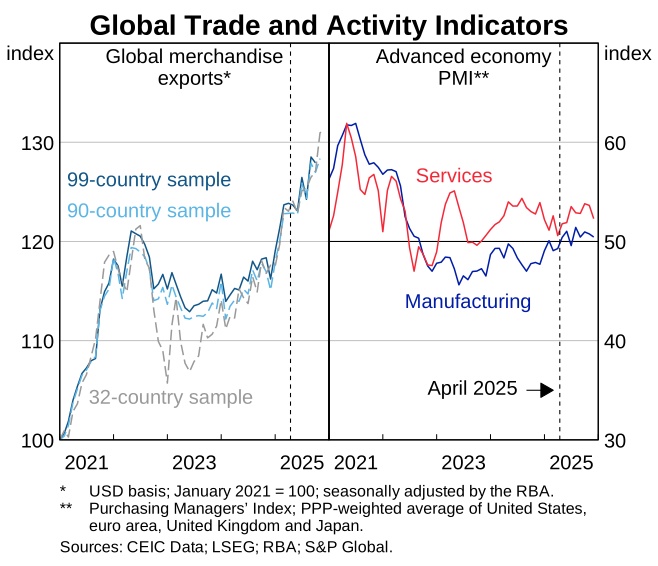
Stronger-than-expected growth in Australia’s major trading partners has also been driven by a boom in US AI- and broader technology-related investment, which boosted east Asian manufactured goods exports in the second half of last year. Timely east Asian trade data – including for South Korea, Singapore and Taiwan – suggest exports remained elevated in the December quarter (Graph 2.1). Domestic demand growth has also been stronger than expected in the United States and in several east Asian economies; partial data suggest the recent resilience will continue, supported by monetary and fiscal policy easing in some economies.
Outside of the United States, GDP growth in most other advanced economies remained relatively subdued in the September quarter, broadly in line with expectations. Measures of economic activity were particularly weak in the euro area, the United Kingdom and Japan. Sluggish industrial production and weak consumer confidence suggest that growth will continue to be subdued in the December quarter across many advanced economies.
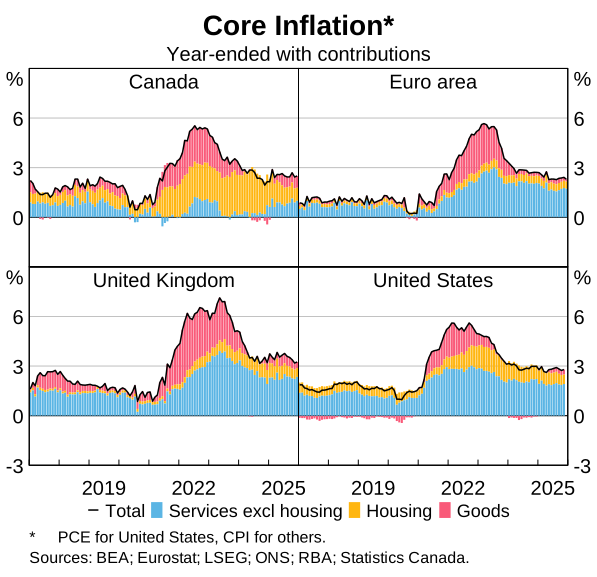
Although headline inflation in some advanced economies is near central banks’ targets, core inflation remains above target-consistent rates in most advanced economies. Services inflation remains elevated due to a combination of rising labour and housing costs and some temporary factors (Graph 2.2). The elevated level of housing inflation partly reflects some persistence in rents. Core goods inflation has also risen in recent months in some economies, following a moderate recovery in demand and business conditions over the second half of last year. Central banks and Consensus forecasters widely expect these domestic price pressures in advanced economies to moderate, alongside a continued gradual easing in labour market conditions. To date, the easing in labour markets has been broadly based across a range of indicators, including unemployment and participation rates, employment and labour cost growth. However, the disinflationary pressures from loosening labour markets may be somewhat offset by the unexpected resilience in global demand recently. In line with expectations for inflation to remain stable at, or return to, their targets, several advanced economy central banks have signalled an end to further monetary policy easing as policy rates are toward the lower end of neutral rate estimates (see Chapter 1: Financial Conditions).
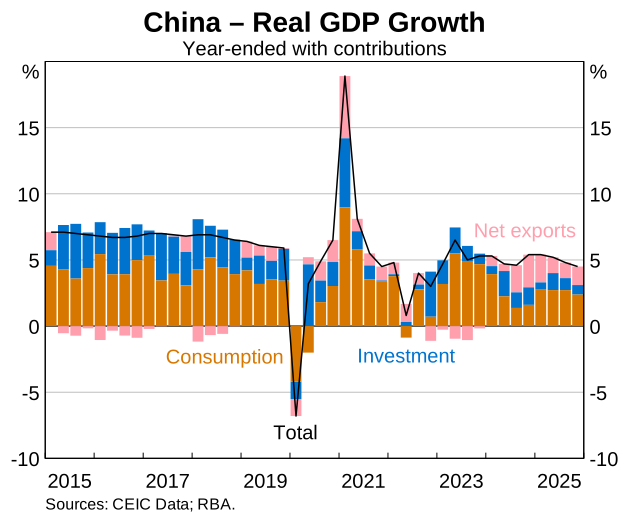
Chinese growth has remained resilient despite a softening in domestic demand.
China achieved its growth target of ‘around 5 per cent’ for 2025. A slowing in domestic demand growth in the second half of the year was partially offset by ongoing strength in net exports (Graph 2.3). Monthly fixed asset investment and retail sales data remained weak, although industrial production was resilient, in line with robust export levels.
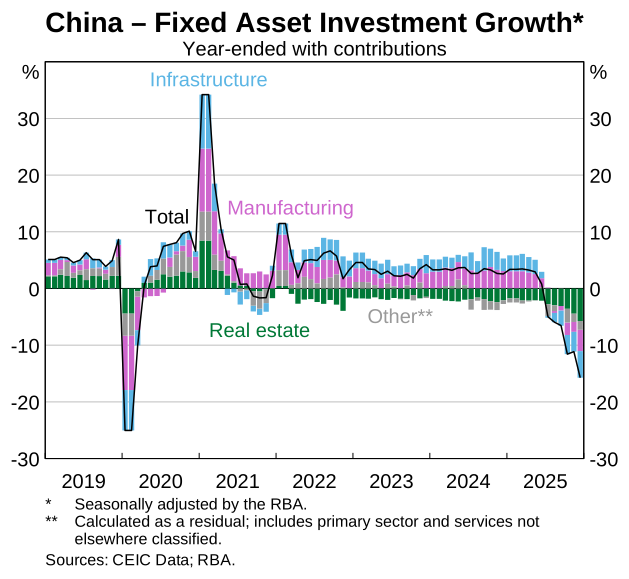
Nominal fixed asset investment (FAI) in China declined in the December quarter, and at a faster rate than in the September quarter. However, the national accounts’ measures of real investment have weakened only moderately, diverging from their historical relationship with FAI. The weakness in FAI has been broadly based across infrastructure, manufacturing and real estate (Graph 2.4). It could reflect a number of factors including a strengthening in authorities’ resolve to curb excess capacity and address below-cost pricing in certain sectors, the impact of elevated tariff uncertainty and the direct effect of tariffs, and possible constraints on local government financing. At the Central Economic Work Conference in December – where Chinese leadership meet to set the economic policy agenda for the coming year – authorities acknowledged the recent weakness in investment and pledged to halt the decline. However, details of any further policy support, including via the infrastructure financing measures announced in late 2025, remain unclear. At the conference, authorities also identified the disparity between strong domestic supply and weak demand as a concern, and emphasised the need to expand domestic demand and ‘optimise’ supply.
Chinese merchandise exports have increased strongly since the November Statement and remain higher than the levels recorded at the beginning of 2025. Alongside trade diversion to countries outside of the United States, which has cushioned the direct impact of US tariffs, continued strength in Chinese exports may reflect an ongoing structural rise in China’s manufacturing capacity directed to export markets. The rise in exports of high-tech manufactured goods where China has invested significantly in recent years – for example, motor vehicles, ships and integrated circuits – has been particularly large. Chinese export prices have continued to decline, after temporarily stabilising in early 2025. This decline likely reflects in part the imbalance between strong supply and weak domestic demand identified by authorities. There are further downside risks to export prices if this imbalance persists.
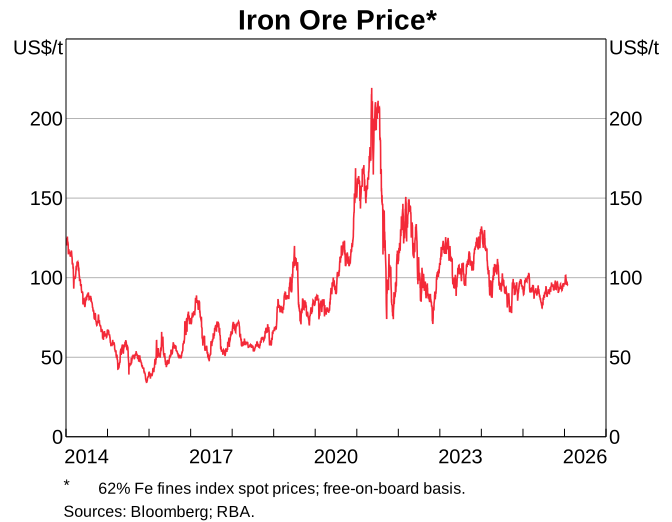
Iron ore prices are little changed, despite weak investment in China, and oil prices are slightly higher alongside increased geopolitical tensions.
Iron ore prices are little changed since the November Statement (Graph 2.5). Over recent years, demand for iron ore from Chinese steel mills has remained robust despite declining domestic demand, particularly for construction steel. Steel production exceeding domestic demand has led to a rise in Chinese steel exports, as well as relatively weak domestic steel prices and steel mill profitability. There are downside risks to iron ore prices if Chinese authorities strengthen their resolve to consolidate capacity in the steel sector.
Oil prices are slightly higher since the November Statement. Oil prices have been supported by recent tensions in Iran, which pose an upside risk to prices given the importance of nearby waterways for the seaborne oil market. By contrast, recent US actions in Venezuela are unlikely to have a significant impact on oil prices in the short term because Venezuela only accounts for about 1 per cent of global crude oil supply. However, with the world’s largest proven crude oil reserves, increased Venezuelan oil extraction could bear down on oil prices in the medium-to-longer term.
2.2 Domestic economic activity
GDP growth in the September quarter was around our estimate of potential growth and in line with expectations. Partial data suggest growth may have picked up further in the December quarter and been a little stronger than expected in November – and considerably stronger than expected in August. In particular, private demand growth in the second half of 2025 looks to have been much stronger than anticipated. Some of this strength is likely to prove temporary – for example, private investment in the September quarter reflected some lumpy expenditures, consumption in the December quarter is likely to have been boosted by households bringing forward spending to benefit from sales and promotional periods, and the higher level of exports is not expected to be sustained into 2026. But underlying demand also looks to have been stronger than anticipated, reflecting a number of factors: a stronger-than-expected recovery in housing prices and dwelling investment over the past year; higher-than-expected growth in real household income; favourable financial conditions domestically and internationally, alongside the unexpected resilience of the global economy; and a stronger outlook for business investment related to data centres and the green energy transition (see Chapter 3: Outlook).
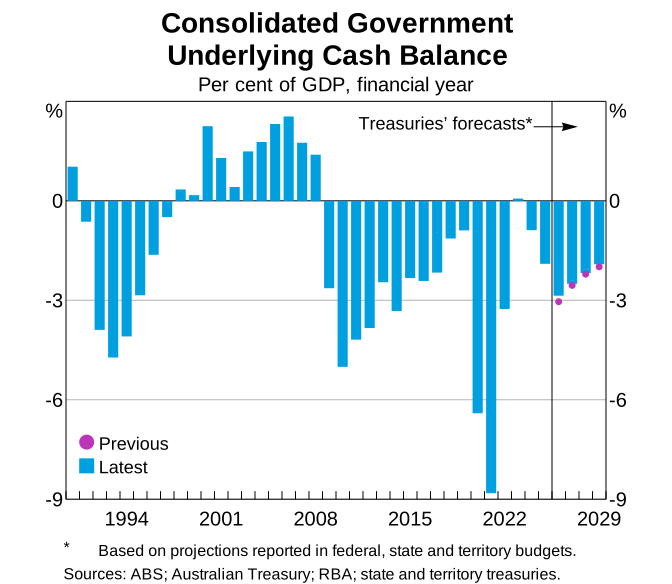
The contribution of public demand growth to GDP has decreased over the past year, although projections from government budgets suggest the underlying cash deficit will widen relative to GDP in 2025/26, as it did in 2024/25. The earlier monetary policy easing is expected to have most of its effect on GDP growth in 2026 rather than 2025, given typical lags in transmission, although there is inherent uncertainty around this assessment (particularly for dwelling investment).
Year-ended GDP growth picked up over the year to the September quarter to around estimates of potential growth and looks to have been a little stronger than expected in the December quarter.
GDP increased by 0.4 per cent in the September quarter to be 2.1 per cent higher over the year, broadly in line with expectations in the November Statement. Private demand was much stronger than expected and accounted for most of the increase in GDP (Graph 2.6). This unexpected strength was largely due to business investment, although some of this was concentrated in categories that can be lumpy and are mostly imported (so do not immediately add to GDP). Working in the other direction, inventories made a large and unexpected subtraction from GDP growth in the quarter. This mostly reflected a drawdown in trade-related mining inventories as previous supply disruptions were resolved and because of idiosyncratic factors in the gold market. The drawdown in mining inventories supported a pick-up in resource exports in the quarter, which drove a 1 per cent rise in export volumes overall.
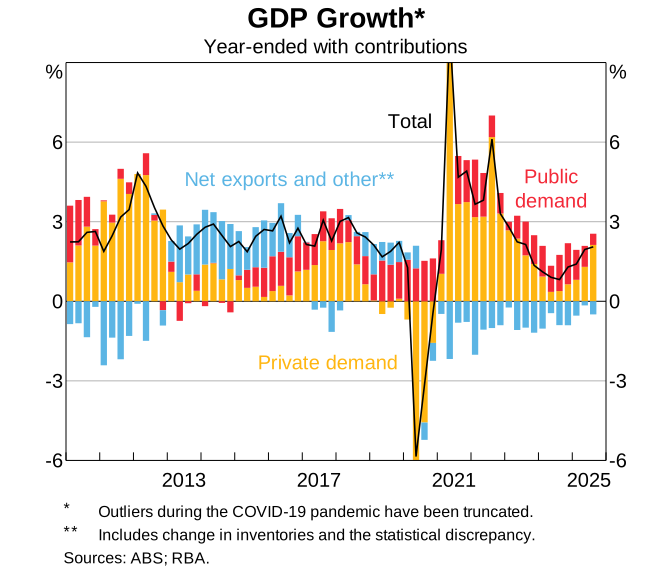
The available indicators for the December quarter suggest that year-ended GDP growth will be a little stronger than expected in November, and considerably stronger than expected in August. Household spending appears to have been stronger than expected, although some of that is likely to reflect spending brought forward from the March 2026 quarter (see below). Forward orders point to ongoing growth in domestic demand.
Data received since the November Statement suggest that household consumption growth increased by more than expected in the second half of the year.
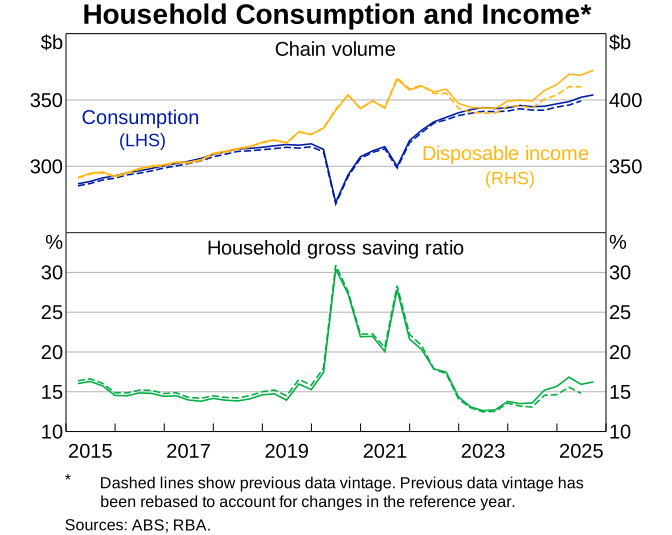
Household consumption increased solidly over the year to the September quarter alongside strong growth in real incomes and wealth. Household consumption grew by 0.5 per cent in the September quarter, broadly as expected. Spending growth on retail goods, which had been boosted by larger-than-usual end-of-financial-year sales in the June quarter, eased as anticipated. Growth in other discretionary components also slowed, but year-ended growth remained solid for most discretionary components. In per capita terms, consumption increased by 0.7 per cent over the year to the September quarter, up from 0.3 per cent over the year to the June quarter.
Timely indicators for the December quarter point to household consumption growth picking up much more than expected in November. The ABS Household Spending Indicator points to strong spending growth in October and November. Much of this is likely to reflect stronger fundamentals, as growth was broadly based by spending category and growth in household income and wealth have been stronger than expected. However, some of the strength in household consumption is likely to be temporary, as retail spending was boosted by households bringing forward spending from the month of December and the March quarter to benefit from sales and promotional periods. Indeed, there were modest declines in retail categories in the month of December in bank transaction data, consistent with liaison contacts reporting that the Black Friday period pulled forward sales from early December. Consumer sentiment has also remained relatively flat over the past year at below-average levels.
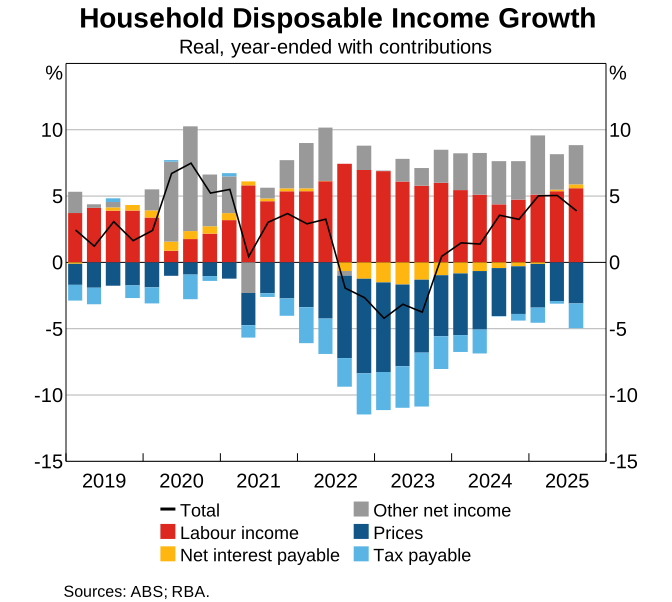
Real disposable income growth picked up substantially in 2024 and 2025, reflecting amongst other things a boost from the easing in inflation and the Stage 3 tax cuts (Graph 2.7). The influence of those factors is now fading – year-ended growth in real household disposable income slowed a little in the September quarter. However, the decline was less than expected, partly owing to stronger-than-expected labour income growth in the quarter. There was also a large upward revision to the level of household income over recent years, but this was primarily in components that are not easily accessible to spend for many households (including interest accrued on superannuation balances). Lower interest rates provided a small amount of direct support to aggregate household disposable income growth in the quarter as households’ interest payments declined by more than their interest receipts.
The household saving ratio increased a little in the September quarter and is now notably higher than expected in the November Statement, owing to historical data revisions (Graph 2.8). The gross saving ratio was 1.7 percentage points higher than expected, largely because historical upward revisions to the level and growth of real household disposable income exceeded those for household consumption. Due to the composition of the income revisions, this does not materially change our assessment of households’ willingness or ability to consume out of more accessible income (such as wages) over recent years.
Business investment increased sharply in the September quarter; while this was largely driven by categories where investment can be lumpy, firms are expecting to invest more in the coming quarters than previously indicated.
After little growth for almost two years, business investment increased by 3.4 per cent in the September quarter. This was much stronger than expected in the November Statement. Most categories of business investment outside mining rose in the quarter, including those that had been steady or declining for some time (Graph 2.9). The largest contribution to the quarterly surprise was from non-mining machinery and equipment investment, in large part relating to data centre fit outs and purchases of aircraft. These types of investment tend to be lumpy and have a large, imported component that limits the immediate boost to GDP.
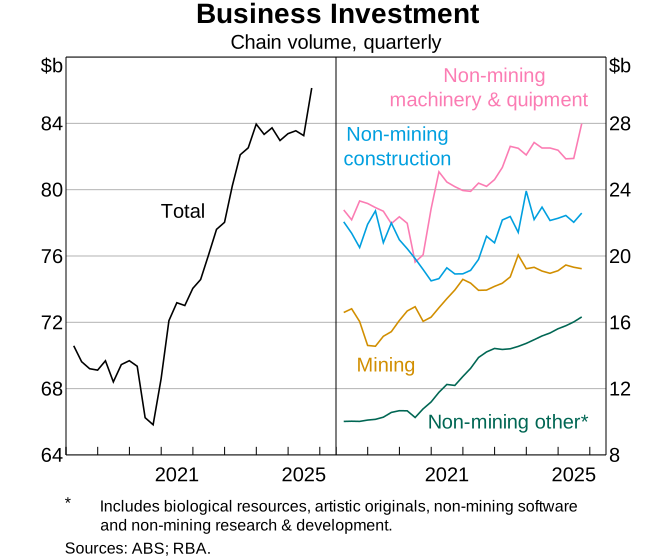
There has also been a material uptick in businesses’ near-term investment intentions. Firms’ reported capital expenditure intentions point to an increase in non-mining investment in the current financial year as firms respond to the cyclical pick-up in private demand and as structural global trends like the renewable energy transition and strong data centre investment continue (see Box B: Insights from Liaison). The easing in monetary policy in 2025 may have also had some impact. Previous RBA research has shown that most of the transmission from monetary policy to business investment is through the effect of interest rates on private spending; that is, as businesses respond to a pick-up in private demand spurred by monetary easing, with the peak effect occurring after two to three years.
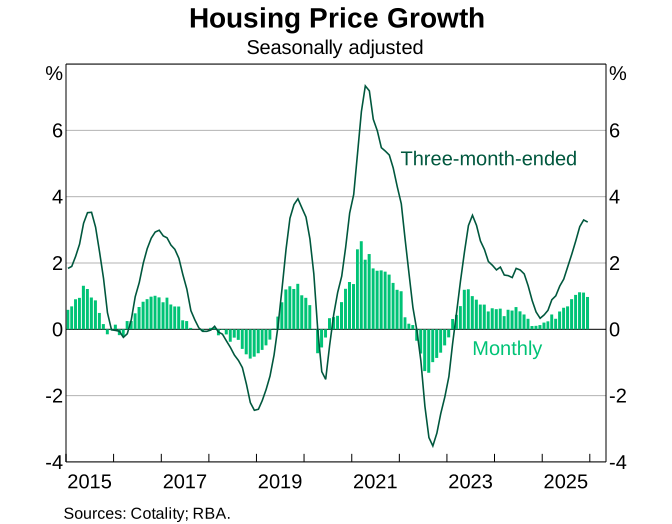
Housing market conditions picked up over 2025.
Housing prices have increased strongly over the past year, boosting household wealth, but monthly growth may have stabilised somewhat in recent months (Graph 2.10). Housing prices increased by 1 per cent in the month of December, to be 8.5 per cent higher over the year. The strength in housing prices over the past year is consistent with strong growth in housing credit; both have been stronger than in most previous monetary policy easing phases (see Chapter 1: Financial Conditions). However, this does not necessarily mean that monetary policy transmission is stronger than usual in the current episode. Recent housing price strength is also likely to reflect the stronger starting position of the labour market compared with past episodes of easing monetary policy. Recent housing market activity may also have been supported by the expansion of the Australian Government 5% Deposit Scheme, although the size of this effect is uncertain. The apparent stabilisation in monthly housing price growth in recent months is consistent with a drop in buyer sentiment in the Westpac-Melbourne consumer sentiment survey and the upward revision to the outlook for interest rates.
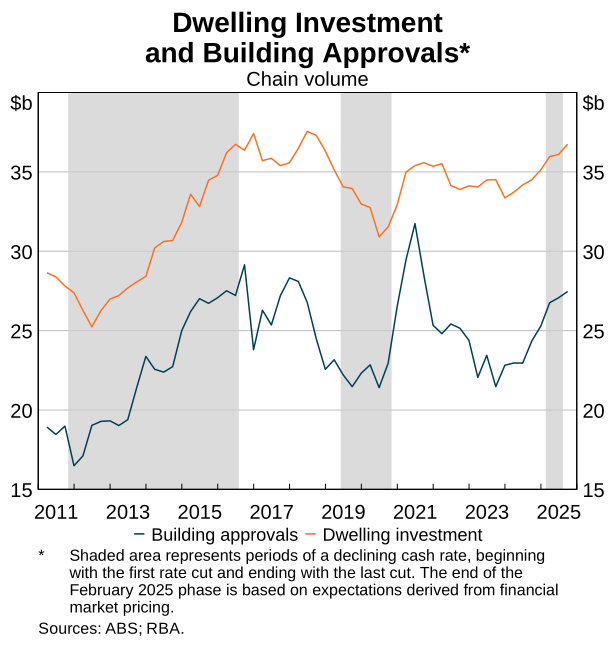
Dwelling investment grew by 6.5 per cent over the year to the September quarter, stronger than expected in the November Statement (Graph 2.11). Dwelling investment is relatively sensitive to changes in interest rates, both directly and via higher housing prices. However, forward-looking indicators of dwelling investment, such as building approvals, had started increasing prior to the first cash rate reduction. This is unlike in previous cycles and may have been related to expectations of monetary policy easing, as well as earlier strong population growth. An earlier easing in capacity constraints in the construction sector may also have played a role.
While private demand growth was stronger than expected in the September quarter, the collective contribution of other components of GDP declined and was weaker than expected.
The contribution of public demand to year-ended GDP growth has continued to ease in recent quarters, as expected. Growth in public consumption in the September quarter was broadly in line with expectations, driven by continued growth in both real employee and other operating expenses. The level of spending on social benefits to households (which includes a range of payments to households, including relating to the NDIS, Medicare, the Pharmaceutical Benefits Scheme, aged care and childcare subsidies) has steadied in real terms in recent quarters after growing strongly in recent years. After three successive quarterly declines, public investment was expected to rebound in the September quarter, which it did, although the size of the increase was larger than anticipated.
Budget estimates of the fiscal balance provide a more comprehensive view of developments in fiscal policy than public demand alone. The consolidated underlying cash balance from federal, state and territory budgets incorporates a wider range of government spending, as well as taxes and transfers, which affect private activity. The mid-year budget updates suggest the consolidated government deficit will continue to widen in 2025/26, broadly in line with what was projected in the previous set of budgets from early-to-mid last year (Graph 2.12).
Net trade and inventories have together detracted modestly from GDP growth in recent quarters. Net trade subtracted 0.1 percentage points from GDP over the year to the September quarter as import volumes growth outpaced growth in export volumes. Partial data for the December quarter suggests solid growth in both imports (consistent with strength in domestic demand) and exports. Export volumes have increased over the past year as resilient global economic growth sustained demand for Australian commodities and services exports (such as tourism), and Australian iron ore production volumes increased.
2.3 Labour market and wages
After a slight easing in the middle of 2025, labour market conditions appear to have stabilised in recent months, in line with stronger growth in economic activity. The unemployment rate was a little lower than expected in the December quarter, reflecting a sharp decline in the month of December that we assess in part to reflect monthly volatility. The employment-to-population ratio and participation rate eased a little in the December quarter. Timely indicators of labour demand such as job advertisements, vacancies and employment intentions point to a broadly stable near-term outlook for labour market conditions, consistent with the recovery in GDP growth through 2025. We continue to assess that there is some remaining tightness in the labour market (see section 2.4 Assessment of spare capacity). In line with this assessment, growth in unit labour costs remains elevated.
Overall, we assess that labour market conditions have been broadly stable in recent months.
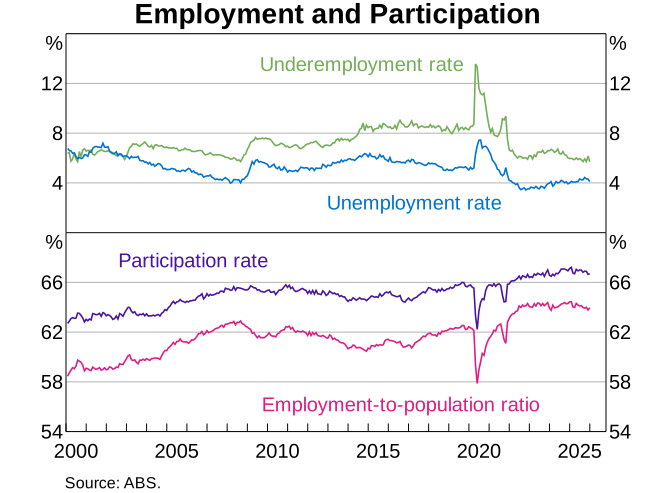
The unemployment rate decreased to 4.1 per cent in the month of December (Graph 2.13). This decrease was unexpected, but monthly data can be volatile and we expect part of the decrease to be transitory. Nevertheless, for the December quarter as a whole, the unemployment rate averaged 4.2 per cent, below our November Statement forecast of 4.4 per cent. The underemployment rate was broadly stable at 5.9 per cent, remaining low by historical standards having trended down since early 2024. Recent analysis suggests that much of that decline in the underemployment rate – which measures the share of people in employment who are working fewer hours than they would like to – has been driven by some workers preferring fewer hours, rather than an increase in actual hours worked – suggesting a reduction in labour supply. The hours-based underutilisation rate – a broader measure of spare capacity – and the medium-term unemployment rate have largely tracked sideways since the start of 2025.
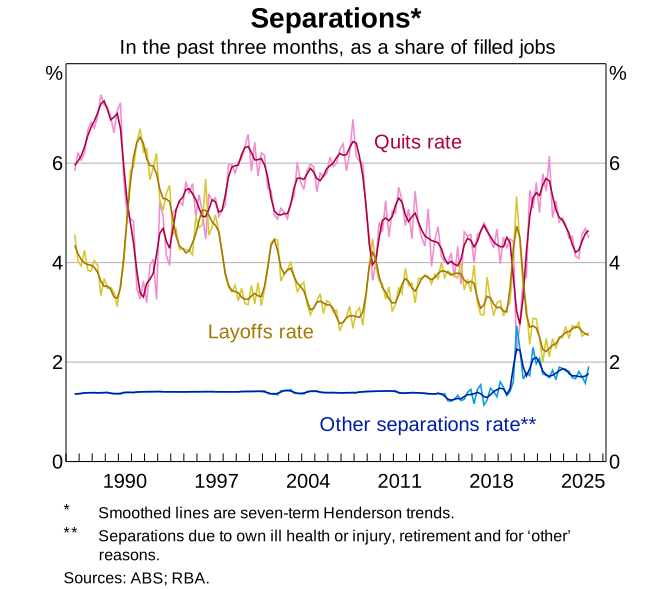
Some other indicators are also consistent with stable or even slightly tighter labour market conditions. The rate of layoffs, which began increasing in 2022, stabilised over the past year at a relatively low level by historical standards. The rate of voluntary job separations – the ‘quits rate’ – has picked up over the past year after having eased more rapidly than other labour market indicators since its 2022 peak (Graph 2.14). These developments could suggest that inter-firm competition to attract and retain staff has increased, indicating tighter labour market conditions.
Both the employment-to-population ratio and participation rate decreased a little in recent months. In the December quarter, the employment-to-population ratio was 63.9 per cent, slightly below our expectation at the time of the November Statement. The decline reflects the continued moderation of employment growth throughout 2025, which likely reflected some easing in labour demand growth as well as slower growth in labour supply. The participation rate ticked down in the December quarter to sit a little lower than expected. The fall in participation may reflect greater difficulty finding work over the past year due to a moderation in labour demand, as well as the earlier easing in cost-of-living pressures. Hires from outside the labour force have stabilised in the past six months, which is consistent with fewer workers being drawn in to a somewhat tight labour market. Notwithstanding participation outcomes being weaker than expected in the December quarter, we expect that participation will remain well above pre-pandemic levels, supported by long-run trends such as higher female participation.
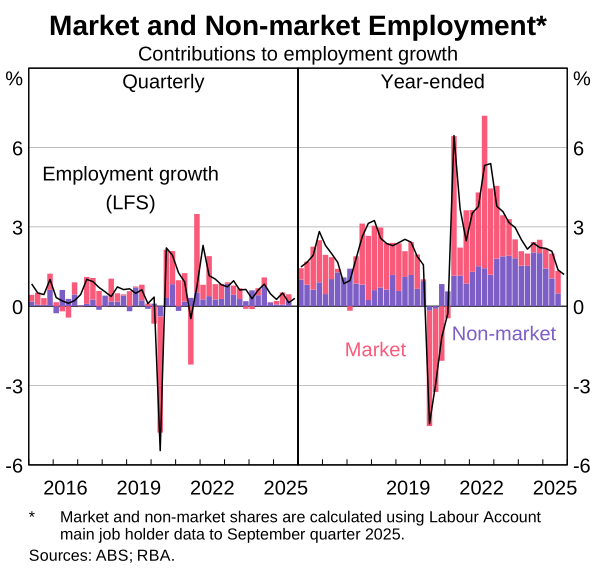
In the year to September, the market sector became the main driver of employment growth as non-market sector employment growth declined. Industry-level data (available to the September quarter) indicate that employment growth in the market sector continued to pick up in year-ended terms, consistent with the recovery in GDP growth and the shift in the composition of growth from the public to the private sector. The level of employment in the non-market sector picked up a little in the September quarter, after having been steady in the first half of the year (Graph 2.15).
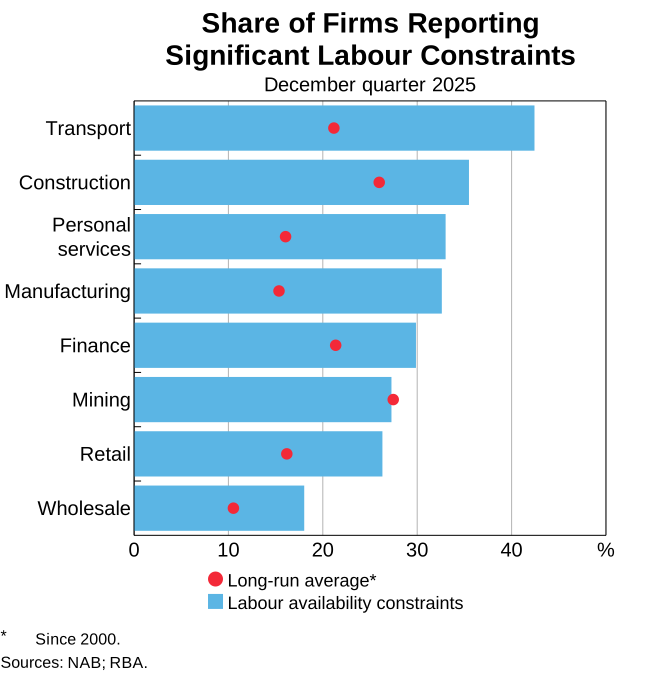
The availability of labour remains a constraint for many firms, consistent with some tightness remaining in the labour market. Liaison suggests some firms are having less difficulty finding staff than a year ago, though many still struggle to find sufficiently skilled or high-quality candidates. Labour constraints have been broadly based across most industries (Graph 2.16; see also section 2.5 Inflation).
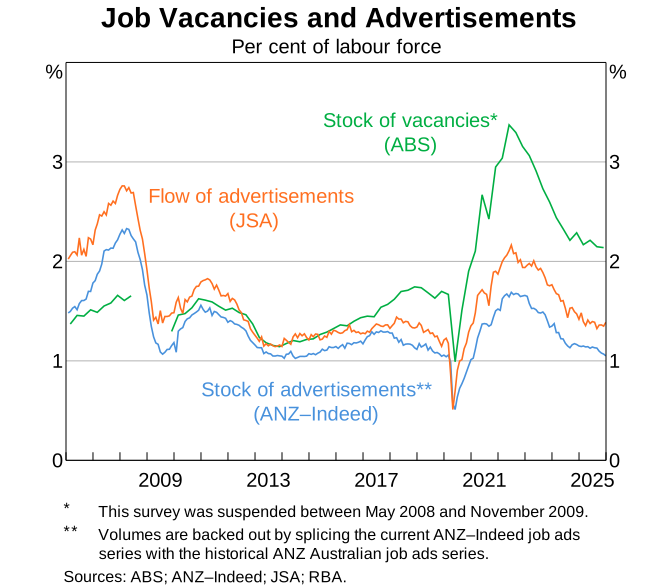
Leading indicators point to a broadly stable outlook for labour market conditions in the near term. Measures of labour demand such as job advertisements and vacancies have fallen a little in recent months and are slightly below levels of a year ago (Graph 2.17). Employment intentions from business surveys have been relatively stable, while employment intentions from the RBA’s liaison program are broadly similar to a year ago and sit a little below their long-term average. Households’ unemployment expectations ticked down in December, unwinding a large uptick in November. Taken together, these data suggest a stable near-term labour market outlook (see Chapter 3: Outlook).
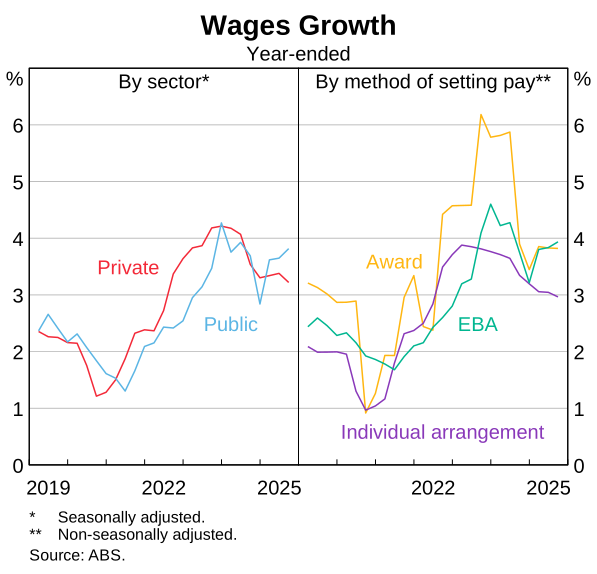
Wages growth was steady at 3.4 per cent in year-ended terms in the September quarter, as expected in the November Statement.
Private sector wage price index (WPI) growth eased to 3.2 per cent in year-ended terms, slightly below expectations. Quarterly private sector WPI growth – which had remained broadly steady over the first half of 2025 after accounting for one-off administered increases – declined to 0.7 per cent, its slowest rate since 2021. Both the share of private sector workers receiving a wage increase and the average size of hourly wage changes were slightly lower compared with a year ago but remained above pre-pandemic levels. Public sector WPI growth eased slightly to 0.9 per cent in the quarter but increased to 3.8 per cent in year-ended terms, in line with expectations.
Wages for workers (across both public and private sectors) paid under enterprise bargaining agreements (EBAs) and awards continued to grow more strongly over the year to September than those for workers paid under individual arrangements. Wages paid under individual arrangements – which tend to be the most responsive to current labour market conditions – increased by 3.0 per cent over the year (Graph 2.18).
Growth in average earnings has continued to be higher than WPI growth, as is typically the case, and is above its long-run average growth rate. Year-ended growth in the national accounts’ measure of average earnings (AENA) per hour increased to 5.9 per cent in the September quarter, slightly stronger than expected in the November Statement. AENA is a broader measure of labour earnings than the WPI as it includes changes in bonuses, overtime and other payments, as well as the impact of workers transitioning to jobs with different levels of pay. Growth in AENA was bolstered in the September quarter by the scheduled increase in the Superannuation Guarantee from 11.5 per cent to 12.0 per cent from July 2025.
Weakness in productivity growth continued to contribute to elevated unit labour costs growth.
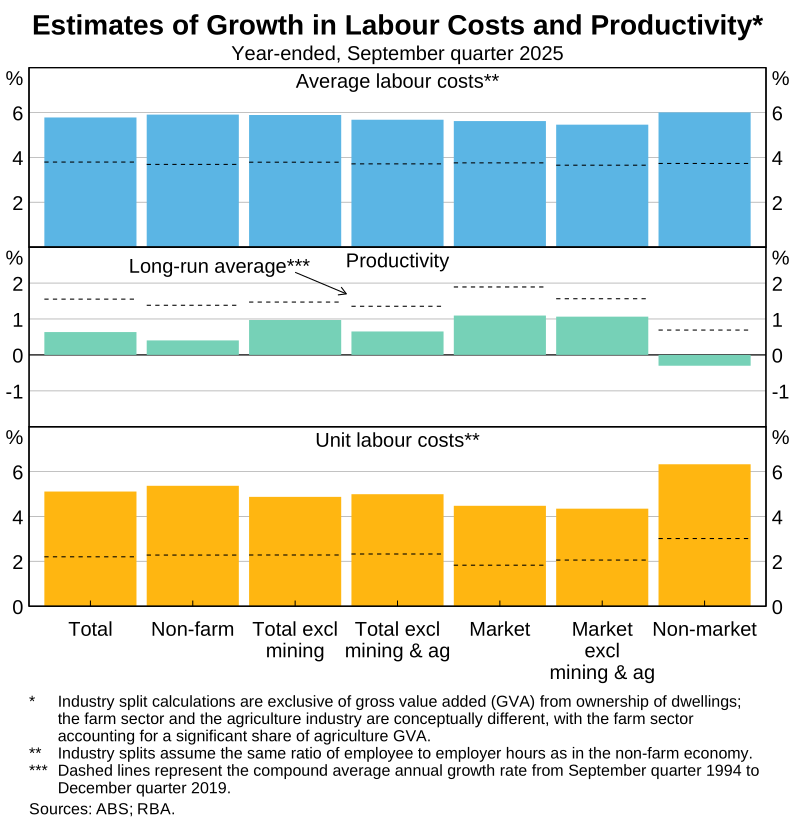
Labour productivity growth in the non-farm sector increased to 0.5 per cent over the year to the September quarter, which was a little weaker than expected. Productivity growth has been weak over recent years, but we expect some of the drivers of this weakness to wane. Growth in unit labour costs increased to 5.4 per cent over the year to the September quarter; elevated unit labour costs growth is consistent with more upwards pressure from labour market tightness flowing through to firms’ labour costs than is signalled by the WPI. Estimates of unit labour cost growth remain elevated even after excluding various industries (Graph 2.19).
2.4 Assessment of spare capacity
A range of information – including labour market and labour cost data, business surveys and model estimates – continues to suggest that labour market conditions are a little tight. Model-based estimates of the output gap and survey measures of firms’ capacity utilisation indicate persistent capacity pressures in the economy more broadly. The extent of these capacity pressures now appears to have been somewhat greater through 2025 than previously assessed, and to have increased in the second half of the year. This partly reflects that demand growth picked up by more than expected over that period, and also that model estimates suggest potential supply over 2025 was lower than previously estimated – a possibility that was identified as a risk in the August and November Statements. Elevated capacity pressures are consistent with the recent pick-up in inflation, though less persistent sector-specific factors are assumed to explain most of the recent inflation surprise (see section 2.5 Inflation).
Our overall assessment is that the labour market is still a little tight.
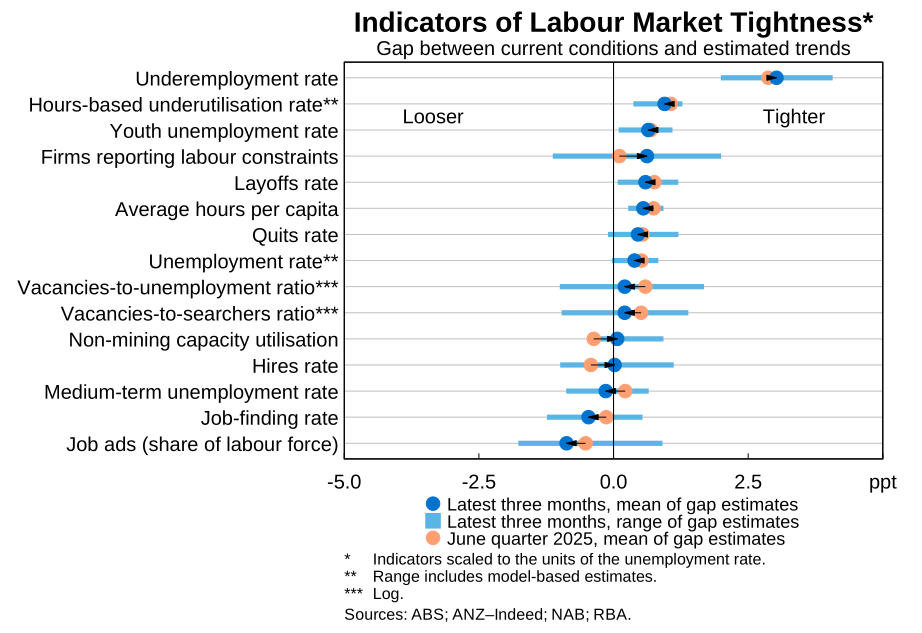
A range of indicators continue to suggest some tightness in labour market conditions. We have recently revised our approach to assessing labour market conditions relative to full employment (see Box A: Update on the RBA’s Approach to Assessing Full Employment). The revised approach continues to support our assessment that the labour market is still a little tight. Most of the indicators we monitor remain tighter than their estimated trend level – as shown in Graph 2.20 by the blue dots and blue ranges sitting mostly to the right-hand side of the graph. Consistent with that assessment, in the December quarter, the unemployment rate was little changed from September and continues to point to a degree of tightness. The underemployment rate and hours-based underutilisation rate are both considerably tighter than estimates of their trend level.
While the indicators overall suggest a degree of tightness, there is some dispersion in what they say about how spare capacity has evolved recently. Some indicators, including the ratio of vacancies to searchers and the youth unemployment rate, eased over the second half of last year (but still point to labour market tightness). By contrast, the quits rate, non-mining capacity utilisation rate and the share of firms reporting labour constraints have increased since mid-2025, suggesting some tightening in conditions. Only a few indicators are below their estimated trends. These include job ads (as a share of the labour force), and the job-finding rate of the unemployed, which has decreased over the past year as it has become more difficult to find work than when labour market conditions were very tight.
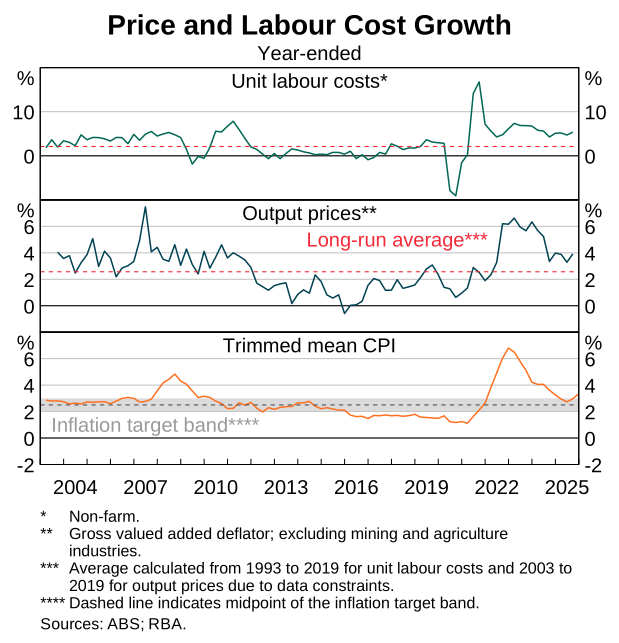
The degree of inflation in prices, wages and unit labour costs in the economy are important (though often lagging) indicators of the extent of capacity pressures in the labour market and broader economy, and we therefore monitor a range of measures.1 A number of these measures, including consumer price inflation and unit labour cost growth, have been above their long-run averages (Graph 2.21). This is consistent with there being some ongoing capacity pressure in the labour market and economy.
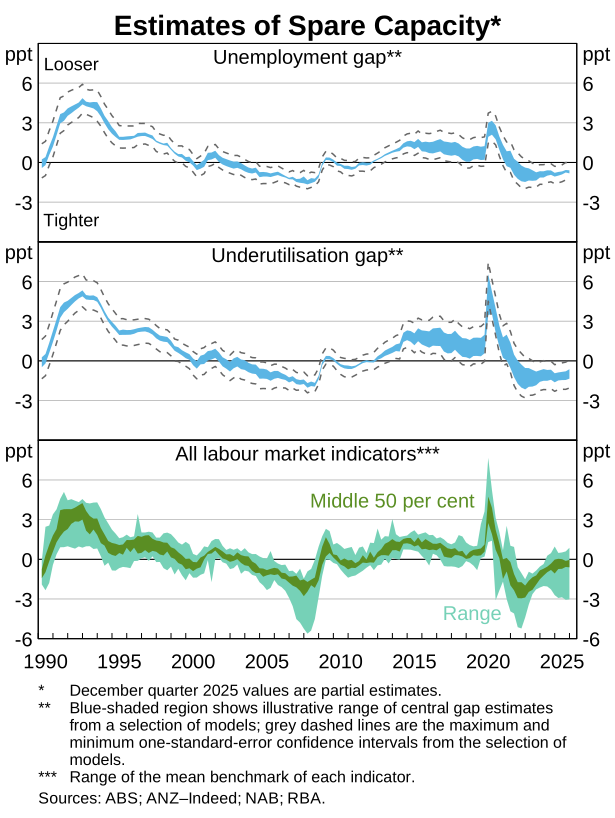
Model-based estimates continue to indicate a tighter labour market than suggested by other indicators. Model-based estimates suggest that the labour market has seen only slow and modest easing in recent years and remains tight – as shown by the blue shaded areas in the upper and middle panels of Graph 2.22. The models interpret inflation and labour cost outcomes over 2025 as pointing to ongoing tightness in labour market conditions, with all models in the suite suggesting that conditions are tighter than full employment. Model estimates based on the latest data suggest the non-accelerating inflation rate of unemployment (NAIRU) could be a little higher than previously estimated. Model estimates of the NAIRU have tended to drift up in recent years, so that the increases seen in the unemployment and underutilisation rates have not flowed through one-for-one to declines in model-based estimates of labour market tightness. However, the model estimates could also be affected by broader capacity pressures, or developments in particular sectors, rather than being a pure read on labour market conditions. By contrast, the central tendency of our broad suite of labour market indicators (the dark green range in the lower panel of Graph 2.22) suggests less tightness in the labour market – consistent with our overall assessment of labour market conditions as a little tight.2
Recent data suggest somewhat greater capacity pressures in the economy than previously assessed.
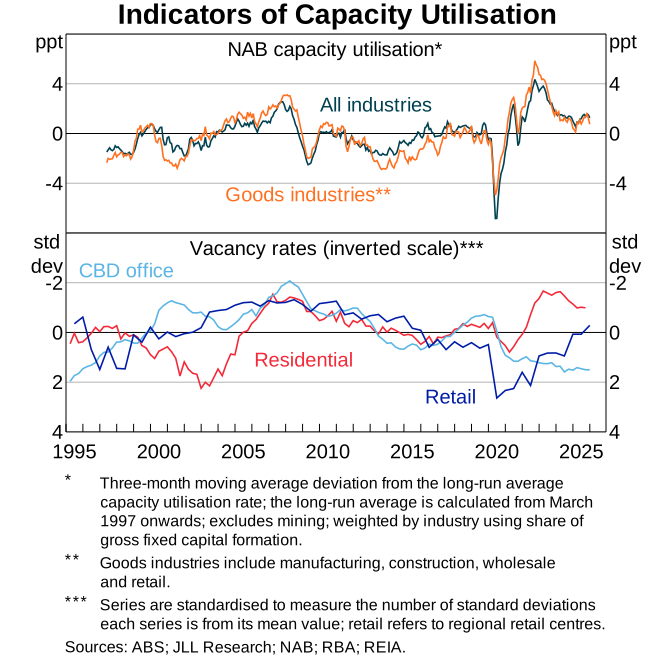
Indicators of broader capacity utilisation suggest that some resources in the economy continue to be used intensively, and that capacity utilisation may have picked up since the first half of 2025. The NAB measure of capacity utilisation increased over the second half of 2025, alongside the pick-up in demand growth, and remains elevated (Graph 2.23). This suggests businesses are still using their labour and capital resources more intensively than usual to meet demand, although the increase over 2025 is most evident in the construction and wholesale sectors. Residential vacancies remain low, consistent with ongoing inflationary pressure in the housing market. Retail vacancies data suggest occupation of retail property has consistently trended up in recent years, recovering from its sudden fall at the start of the pandemic, and is now above its historical average for the first time since December 2015. This may contribute to additional capacity pressure in the retail sector, particularly alongside the recent pick-up in household consumption growth.
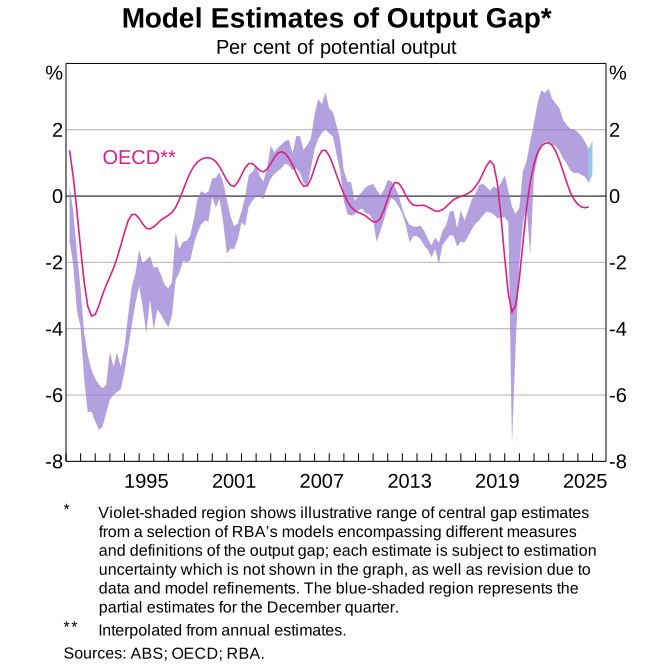
Taking survey evidence together with model-based estimates of the output gap, we assess that the output gap at the end of 2025 was positive, somewhat larger than expected in November and considerably larger than expected in August. The level of GDP in the September quarter remained higher than most model estimates of the level of potential output, suggesting that aggregate demand continued to exceed the capacity of the economy to supply goods and services sustainably (Graph 2.24). Our estimates suggest that in the December quarter the output gap may have widened a little. Over the past six months, the higher model estimates of the output gap and the increase in the NAB capacity utilisation measure, together with the pick-up in economic activity and inflation, indicate a marked tightening of capacity pressures relative to our assessment at the time of the August Statement.
Individual model estimates vary, reflecting differences in their design and how they interpret the data, and each is subject to estimation uncertainty. However, all the internal RBA models show a positive gap. Despite a recent upward revision, the OECD’s estimate continues to be substantially lower, largely because it views recent weakness in labour productivity as mainly cyclical rather than structural, so that it does not have much effect on the estimated level of potential output. By contrast, weak productivity growth outcomes have continued to weigh on estimates of the current rate of potential output growth in other models.
2.5 Inflation
The monthly CPI is now Australia’s primary measure of headline inflation. As outlined in the November Statement, however, the RBA will continue to focus on measures of underlying inflation from the quarterly CPI (based on the pre-October 2025 collection frequency) for a period.3 These quarterly data, which have well-understood properties and established seasonal patterns, provide an important source of continuity while the properties of the new monthly series become clear. In conjunction, the RBA will begin to analyse underlying inflation measures constructed using the monthly CPI.
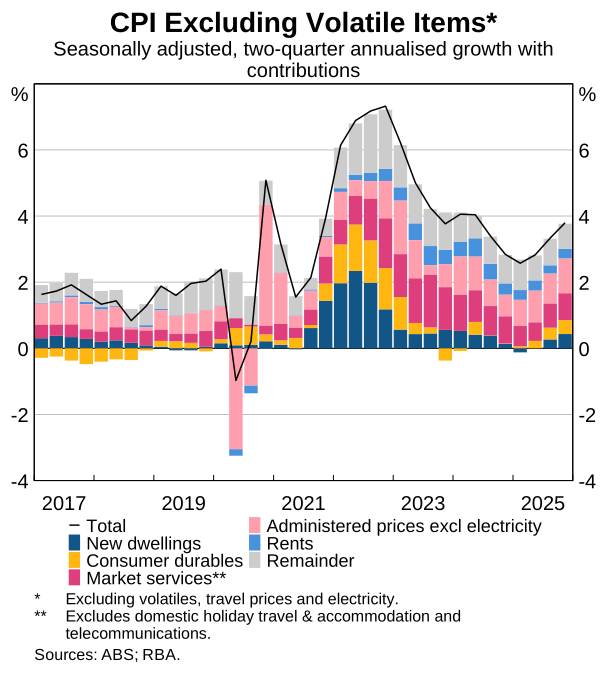
The quarterly rate of underlying inflation eased only slightly in the December quarter and was higher than expected in the November Statement. Higher inflation in recent quarters has been broadly based across services, goods and new dwelling inflation. Economy-wide capacity pressures – which look to have been greater last year than previously assessed and to have increased in the second half of the year – are judged to have contributed to high underlying inflation but are unlikely to explain the majority of the recent increase. The larger remaining part is judged to reflect factors that may prove to be less persistent, including sector-specific demand pressures affecting new dwelling and durable goods prices, and price volatility in some categories such as fuel and overseas travel. Headline inflation was also stronger than expected in the November Statement, reflecting both firmer underlying inflation and stronger inflation in volatile items.
Inflation in the December quarter was stronger than expected in the November Statement. This followed stronger-than-expected inflation in the September quarter.
Headline inflation rose to 3.6 per cent over the year to the December quarter, from 3.2 per cent in the September quarter. This was stronger than the 3.3 per cent expected in the November Statement. Electricity inflation contributed around 0.5 percentage points to headline inflation over the year, largely reflecting the expiration of electricity rebates. Higher-than-expected inflation for some volatile items such as fuel and travel also contributed to the increase in year-ended headline inflation and accounted for the surprise relative to the November forecast.
Trimmed mean inflation increased to 3.4 per cent over the year to the December quarter, from 3.0 per cent in the September quarter. The outcome was higher than expected in the November Statement and substantially higher than expected in the August forecast. Trimmed mean inflation eased slightly in quarterly terms, to 0.9 per cent, but by less than was expected in November.
Measures of underlying inflation from the monthly CPI also picked up in year-ended terms (Graph 2.25). There have been small differences between measures of underlying inflation from the monthly CPI and the quarterly trimmed mean since mid-2024 – the short period for which monthly data are available. Notwithstanding these small differences, all series trended up in the second half of 2025, consistent with the quarterly trimmed mean series.
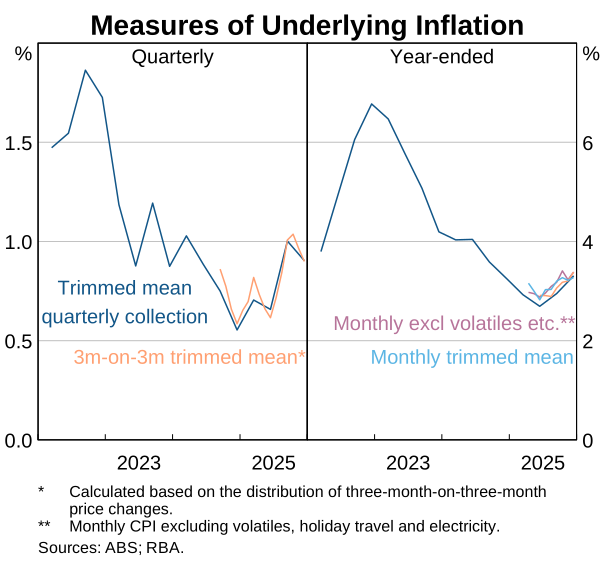
Capacity pressures are judged to have contributed to high underlying inflation but are unlikely to explain the majority of the recent increase. In quarterly terms, trimmed mean inflation was some way above a rate consistent with the middle of the target range in the December quarter. The elevated rate of trimmed mean inflation – taken together with continued strong growth in output prices and unit labour costs – is likely in part to reflect ongoing domestic capacity pressures. These economy-wide capacity pressures are now estimated to have been greater through last year than previously assessed, and to have increased in the second half of 2025 alongside strengthening GDP growth (see section 2.4 Assessment of spare capacity). Model estimates of the link between capacity pressures and inflation – while uncertain – suggest that economy-wide capacity pressures can only partly explain why inflation is elevated and are unlikely on their own to account for the strong pick-up in underlying inflation since mid-2025.
The larger part of the resurgence in inflation is judged to reflect some sector-specific demand and price pressures, which may not persist – though this judgement is very uncertain. The resurgence in underlying inflation has coincided with stronger-than-expected private demand growth, particularly for housing and consumer durables (see section 2.2 Domestic economic activity). Correspondingly, increases in new dwelling and durable goods prices made a significant contribution to the increase in inflation since mid-2025 (Graph 2.26). It is possible that stronger demand growth in these sectors enabled larger price increases than otherwise, after a period in which there were reports that weak demand had prompted house builders to offer discounts, and limited retailers’ ability to raise their prices. These price pressures could prove to be temporary if growth in housing demand and consumption slows as anticipated (see Chapter 3: Outlook), though this judgement is highly uncertain. Inflation in new dwelling and consumer durables prices was lower in late 2024 and early 2025, following a period of weaker demand conditions in those sectors that may have both masked the extent of capacity pressures in mid-2025 and accentuated the subsequent pick-up in inflation.
Housing inflation strengthened in the December quarter.
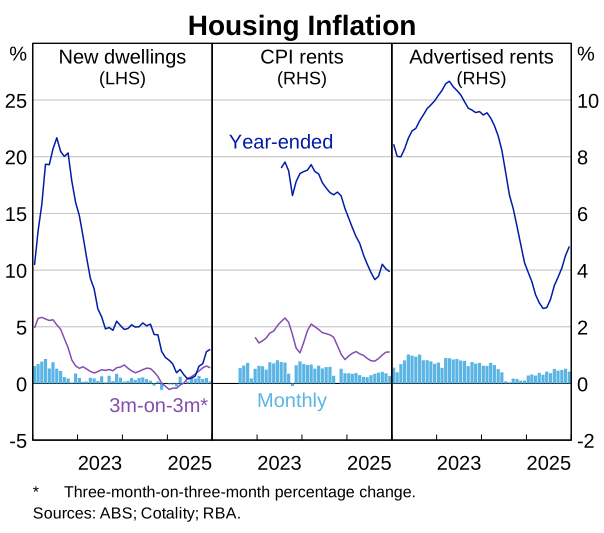
New dwelling construction prices increased by 1.3 per cent in the December quarter, which was stronger than in the November forecasts, as residential construction activity strengthened. In year-ended terms, new dwelling inflation was 2.5 per cent in the December quarter, up from 0.9 per cent in the September quarter. Information from liaison indicates that demand for building new houses has picked up in recent months alongside improved buyer sentiment. The ABS has indicated that part of the price rises reflected that residential builders began removing discounts that were in place when the housing market was weaker. Cost growth for builders increased over the quarter, largely reflecting trade labour costs but also materials costs to a lesser extent.
CPI rent inflation picked up to 4.0 per cent over the year to the December quarter, slightly above expectations in the November Statement. The quarterly rate of CPI rental inflation increased to 1.0 per cent from 0.9 per cent in the September quarter. This may reflect gradual pass-through from the pick-up in advertised rental growth, which has occurred alongside a tightening in rental market conditions (Graph 2.27).
Services inflation eased in quarterly terms in the December quarter.
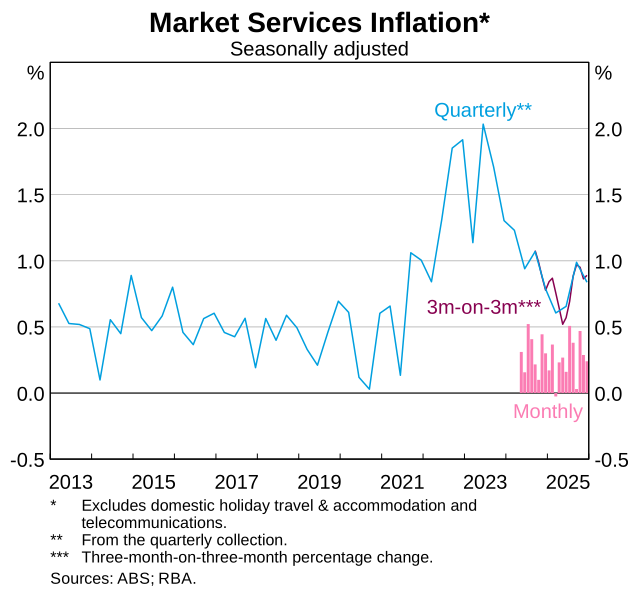
In the December quarter, market services inflation (excluding telecommunications and domestic travel) eased to 0.8 per cent, but remained at 3.1 per cent in year-ended terms. The prices of these services are typically among the most sensitive to domestic labour costs, and stronger inflation for market services in the second half of 2025 is consistent with ongoing strength in broader measures of labour costs over the past year. In quarterly terms, inflation for meals out and takeaway eased in December 2025, but for most other market services categories inflation remained higher than in the first half of 2025 (Graph 2.28).
Inflation for goods and services with administered prices (excluding utilities) was broadly stable in the quarter but increased in year-ended terms. Lower-than-expected inflation for medical and hospital services – owing to an expansion of bulk billing incentives introduced on 1 November 2025 – was offset by an increase in other motor vehicle costs due to the end of registration discounts in Queensland. Despite the increase in year-ended growth, administered price inflation has contributed little to the recent pick-up in inflation and remains around its historical average.
Utilities prices decreased 2.5 per cent in the December quarter, following an increase of 5.7 per cent in the September quarter. This reflected that households in some states received a double rebate for electricity prices following a delay in the timing of payments in the September quarter. Nonetheless, electricity prices increased by 26 per cent in year-ended terms, reflecting the expiration of some rebates. A large rise in water and sewerage prices in Sydney – due to a review of pricing that occurs approximately every five years – partially offset the quarterly decline in electricity prices. Although utilities inflation has boosted headline inflation over the past year, it has had a much smaller effect on measures of underlying inflation. The increase in electricity prices through the year primarily reflects a temporary impulse from the roll-off of rebates, which has largely been excluded from the quarterly trimmed mean over this period.
Goods inflation has picked up over the past half year.
Retail goods inflation was 2.1 per cent in year-ended terms in the December quarter, which was higher than the rate earlier in 2025. Consumer durables inflation increased by 0.6 per cent in the December quarter; however, it will take time to fully understand the seasonal patterns in the monthly data around sales events including Black Friday/Cyber Monday. The pick-up in consumer durables inflation was stronger than expected in the November Statement and coincided with stronger household spending growth (see section 2.2 Domestic economic activity). This may be because strong demand enabled retailers to increase prices by more than might be expected given changes in the prices of imported consumer goods; fewer retailers in the liaison program have reported margin compression as retail conditions have improved over the past six months. Groceries inflation, excluding fruit and vegetables, was unchanged in the December quarter. Information from liaison suggests that global trade tensions have not materially impacted most firms’ pricing decisions.
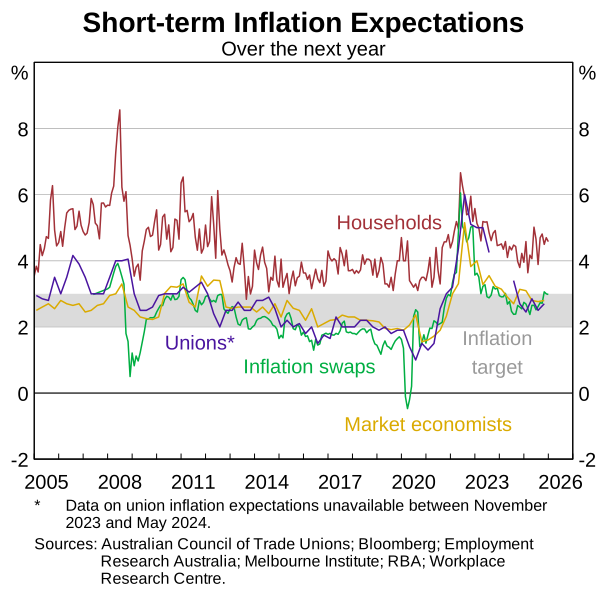
While long-term inflation expectations remain consistent with achieving the inflation target, some short-term measures have increased since late 2024.
Survey measures of households’ short-term inflation expectations have increased since late 2024 and are slightly above their long-run average. Financial market measures of short-term expectations derived from inflation swaps are also higher than in late 2024, having picked up in recent months alongside higher realised inflation (Graph 2.29) (see Chapter 1: Financial Conditions). However, survey and financial market measures of long-term inflation expectations remain broadly stable, supporting our assessment that long-term inflation expectations remain anchored at the target.
Endnotes
1 See RBA (2026), ‘Update on the RBA’s Approach to Assessing Full Employment’, Technical Note, February.
2 See RBA, n 1.
3 See RBA (2025), ‘Box C: The Transition to a Complete Monthly CPI’, Statement on Monetary Policy, November; RBA (2025), ‘The Transition to a Complete Monthly CPI’, Technical Note, November.