
Statement on Monetary Policy – May 20262. Economic Conditions
Summary
- Prior to the conflict in the Middle East, growth in Australia’s major trading partners had been stronger than expected, as a surge in AI-related investment boosted US domestic demand and east Asian exports. Trade policy developments had also weighed on growth by less than anticipated in 2025 and financial conditions had been favourable. Growth in advanced economies other than the United States was generally subdued in late 2025, broadly as expected in February. GDP growth in China in the March quarter 2026 was slightly stronger than expected, at 1.3 per cent.
- In Australia, GDP growth had picked up strongly in the December quarter 2025, as expected, supported by some of the same factors as global growth. Prior to the Middle East conflict, domestic capacity and inflation pressures remained elevated and had been evolving broadly as anticipated. Private investment was stronger than anticipated in the December quarter while household consumption growth was well below the (very strong) expected outcome. Timely data suggest that consumption growth momentum at the start of this year may have been a little weaker than anticipated. Labour market outcomes have been broadly in line with expectations recently, and conditions remain somewhat tight relative to full employment. Underlying inflation remained elevated in the March quarter, though was slightly lower than forecast in February. Overall, recent data have not materially changed our view of domestic inflationary pressures prior to the start of the Middle East conflict.
- The Middle East conflict has severely disrupted energy production and shipping in the region, driving sharp increases in the global prices of oil (66 per cent), liquefied natural gas (44 per cent) and other key commodities. The closure of the Strait of Hormuz has resulted in a reduction in the global supply of liquefied natural gas by around 20 per cent. After allowing for the fact that some oil has been redirected, the global supply of oil has fallen by around 10 per cent. The conflict has also significantly increased prices of related commodities, such as thermal coal and some fertilisers. Measures of global economic uncertainty have increased.
- Headline inflation in Australia and many other economies increased in March as the direct effects of higher fuel costs flowed through to consumer prices. In Australia, CPI inflation increased to 4.6 per cent in the month of March, with fuel prices contributing 0.8 percentage points. The reduction in fuel excise duty from 1 April is expected to have reduced year-ended headline inflation in April by around 0.5 percentage points. Fuel cost increases typically pass through to other goods and services prices over time. Many consumer-facing firms in the RBA’s liaison program report that they have not yet passed through higher costs to their prices, although an increasing share now expect above-average price increases over the coming year.
- While higher inflation is weighing on real incomes in many economies, the overall impact of the conflict on economic activity will vary by country. In the event of a prolonged conflict, many of Australia’s east Asian trading partners may be at risk of a relatively larger impact on growth because they are net energy importers with a relatively high share of energy-intensive manufacturing in total output. China’s economy is likely to be relatively insulated in the near term, owing to its diversified energy mix, large strategic reserves of oil and petroleum products, and its use of regulatory instruments to limit retail fuel price increases.
- There is little evidence so far that overall economic activity in Australia has been significantly affected by the conflict. The fuel price increases seen to date imply a limited impact on households’ real income. While consumer and business sentiment indicators have fallen sharply in Australia since the start of the conflict, these series are typically only weakly correlated with actual spending. By contrast to the sentiment data, recent survey and liaison evidence do not suggest a material decline in business conditions, and early consumer spending data – while volatile – do not suggest a material slowing in real household consumption. Nominal spending at petrol stations has increased sharply, but there does not yet appear to be an offsetting decline in other types of spending. The additional spending on fuel since the start of the conflict amounts to less than 1 per cent of total household income over that period, though for some households it will be a higher share.
2.1 Global economic conditions
The conflict in the Middle East and de-facto closure of the Strait of Hormuz – through which around 20 per cent of global crude oil and liquefied natural gas (LNG) supplies usually transit – has driven energy prices sharply higher. Higher energy prices are pushing consumer price inflation higher in most economies and are expected to weigh on global economic activity. However, the impact on each economy is likely to depend on factors such as the extent of capacity pressures at the start of the conflict and whether they are net exporters or importers of energy commodities.
Prior to the conflict, growth in many advanced economies had been subdued, broadly as expected, while growth in Australia’s Asian trading partners had been stronger than expected, supported by the global surge in AI-related investment. However, some countries in the Asian region (outside of China and high-income east Asian economies, which have substantial reserves and higher purchasing power) are likely to be among the more vulnerable to the effects of the conflict. Given the outsized share of energy-intensive manufacturing in economic activity across Asia, and that the region is a net energy importer, a more prolonged closure of the Strait of Hormuz would likely pose a material downside risk to major trading partner (MTP) growth.
Energy prices have increased sharply since the onset of the Middle East conflict and the closure of the Strait of Hormuz in late February.
The headline Brent crude oil (futures) price has risen by 66 per cent since the February Statement on Monetary Policy, in response to an estimated decline in global oil production of 13 million barrels per day – or around 10 per cent of daily global supply (Graph 2.1). The price of dated Brent crude – which represents the cost of near-immediate physical delivery in northern Europe – has increased by more than headline futures prices, rising by 70 per cent since the February Statement. The gap between these prices has been volatile in recent weeks, but has widened since the start of the conflict, reflecting both acute near-term physical supply shortages (with refiners willing to pay a premium for immediate delivery) and expectations that these shortages should abate in the coming weeks if the Strait is reopened.
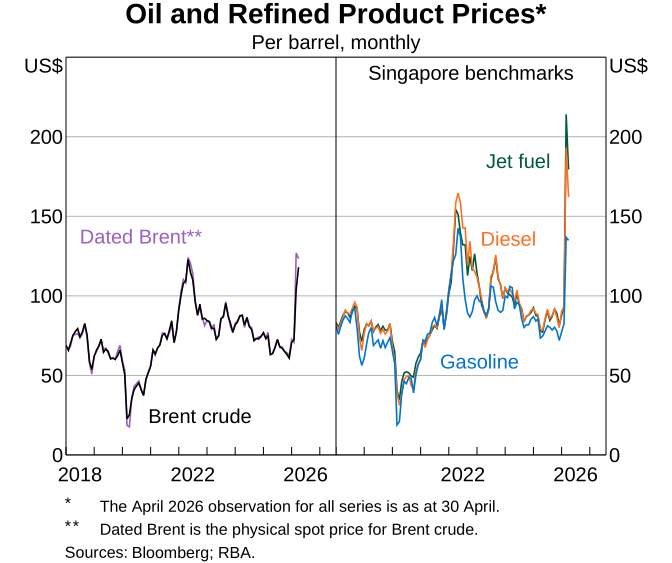
The prices of refined oil products have increased by significantly more than crude oil prices, with their spreads to Brent crude oil at historically high levels. Asian refiners’ gasoline, diesel and jet fuel prices have increased by 72 per cent, 78 per cent, and 99 per cent respectively since the previous Statement. Many refiners across Asia have chosen to slow production rates to carefully manage existing inventories, as completely shutting down and restarting production is costly. Involuntary cuts to output in the Middle East and Russia, where refineries have been damaged by the conflict, as well as limited global stockpiles of refined products, have also added to price pressures.
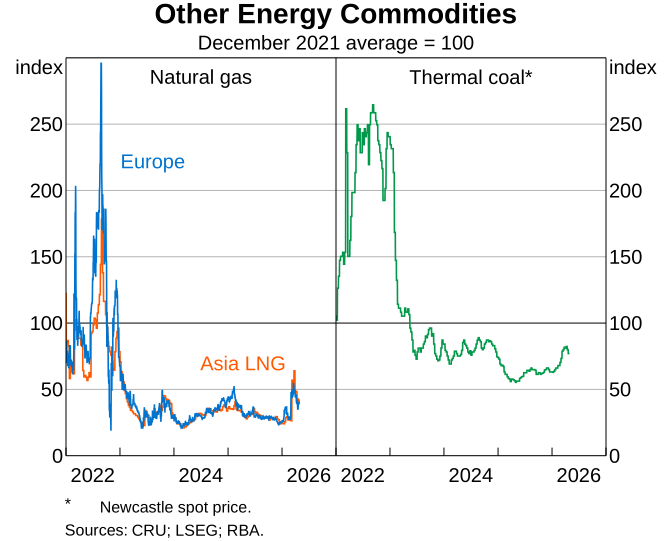
Disruptions to natural gas supply and demand for substitute energy commodities, such as thermal coal, have driven prices of those commodities higher. The spot price of LNG – an important Australian export – has increased by 44 per cent in Asian markets since the February Statement (Graph 2.2). Qatari authorities expect damage to the Ras Laffan oil and gas complex to have long-lasting effects on LNG production. While most exports are expected to resume with a reopening of the Strait, a full restoration of LNG export capacity may take several years. Disruptions to oil and LNG supply have spilled over into higher demand for other energy commodities, especially thermal coal – another important Australian export. The Newcastle thermal coal spot price has increased by 16 per cent since the February Statement, as demand has increased from buyers in Europe and Asia looking to secure alternative energy sources. However, price increases for thermal coal and natural gas remain well below what was observed following Russia’s invasion of Ukraine in 2022.
Non-energy commodity markets for which Gulf states are major producers and exporters have also been affected by the closure of the Strait of Hormuz.
Disruption to fertiliser supply chains may put upward pressure on food prices. Around one-third of global nitrogenous fertiliser and nearly half of global seaborne sulphur trade (used in phosphate fertilisers) typically transits the Strait of Hormuz. The closure of the Strait has led to a surge in the price of fertiliser products like urea and ammonia, which is increasing the input costs for agricultural products. Given the lags in planting and harvesting cycles, this is raising concerns about future agricultural crop production and yields and is placing potential upwards pressure on consumer food prices. Some rural commodity prices where fertilisers are key inputs have risen since the February Statement. For example, prices of canola and cotton, which are produced and exported by Australia, have increased notably (Graph 2.3).
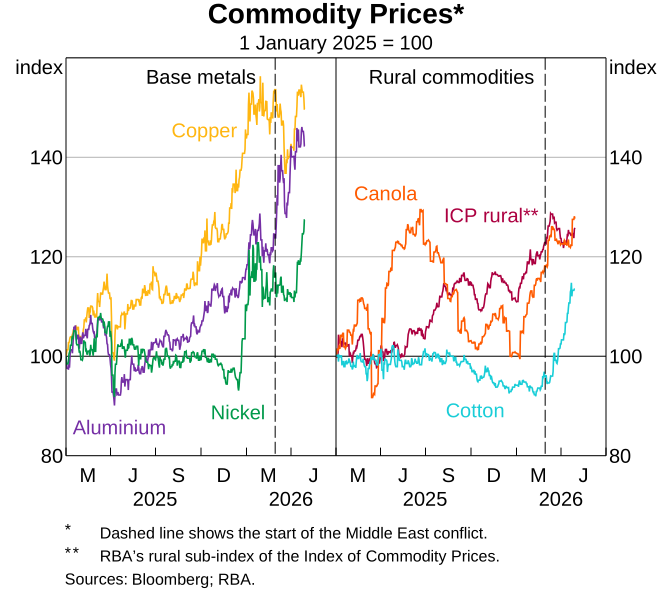
Supplies of some other commodities, including helium and aluminium, have also been disrupted. Qatar usually accounts for around one-third of global helium production. Helium plays an important role in semiconductor manufacturing (among other uses), though key producers reportedly have significant inventories so this has not materially affected output so far. Separately, aluminium prices have increased by 20 per cent since February, owing to supply disruptions in the Middle East – which accounts for around 7 per cent of global production. This may result in some positive spillovers for Australia given our prominent role in the global aluminium value chain.
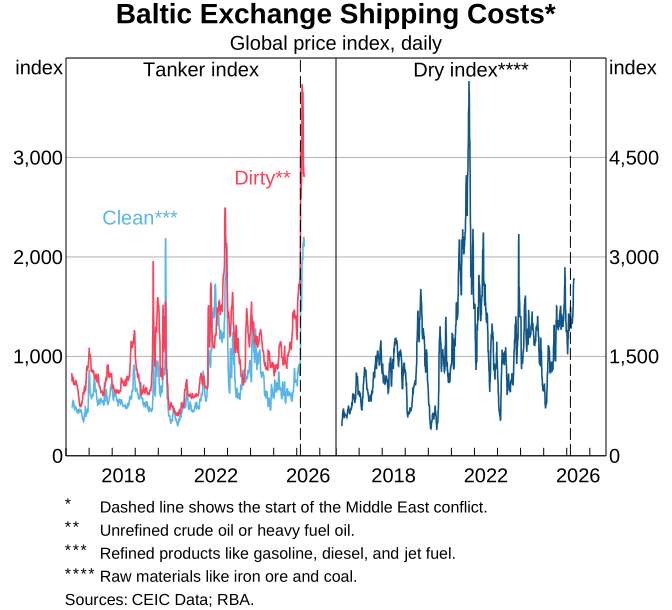
Shipping costs have risen, further increasing import costs, particularly for oil and refined products. Global price indices for transporting crude oil and refined products have surged by 64 per cent and 135 per cent respectively since the February Statement (Graph 2.4). This increase is due to sharply higher demand for timely deliveries along specific shipping routes, to replace cargoes affected by the Middle East conflict, as well as increased war-risk insurance costs and fuel surcharges. The index for shipping raw materials has also increased, though by less (and by much less than it did during the pandemic).
Headline inflation has started to rise in many economies, reflecting sharp increases in fuel prices. Economies with greater capacity pressures could experience larger or more persistent indirect effects on core measures of inflation.
Increases in fuel prices pushed up consumer price inflation in many economies in March (Graph 2.5). Headline inflation is expected to rise further in subsequent months as higher energy prices are passed through to electricity and transportation costs for both households and businesses. A range of survey indicators suggest that firms’ input costs increased sharply in March across advanced economies and Australia’s MTPs, which may lead to price increases for other goods and services. In response, some governments have introduced price controls, subsidies or tax cuts to cushion the impacts of higher fuel prices on households and businesses, which has limited pass-through to consumer prices in some countries.
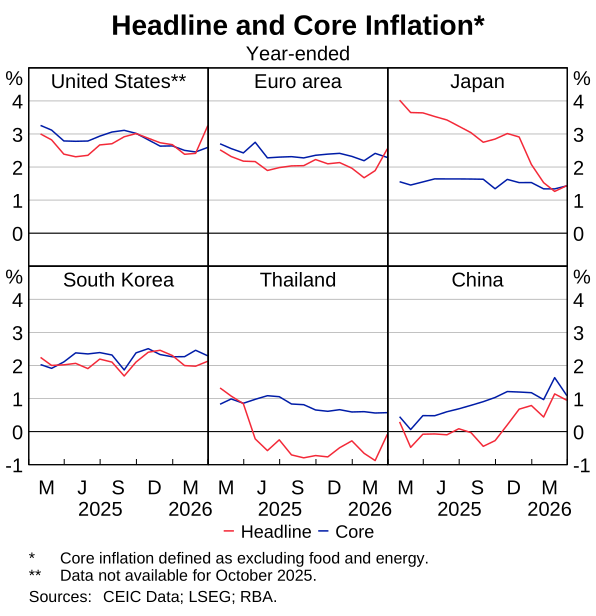
Deflationary pressures in China have eased somewhat, largely because of higher commodity prices and temporary factors. Both consumer and producer price inflation in China have increased since the February Statement. This has been largely driven by external factors and issues with seasonality around the timing of the Lunar New Year; excess supply in the domestic economy has persisted. Higher energy prices led to a notable increase in producer price inflation in March, despite prices for some industrial inputs like copper declining. CPI inflation remains elevated relative to recent history, but the effects of higher fuel prices have been relatively contained so far as authorities have directly cushioned price increases, including by adjusting retail petrol prices.
Differences in the extent of capacity pressures across countries may affect how inflation responds to higher energy prices. In some advanced economies, like New Zealand and the United Kingdom, unemployment rates are somewhat elevated following a period of subdued GDP and employment growth last year. In other economies, such as Japan and Norway, labour markets appear to be relatively tight, consistent with high rates of wages growth. For economies with tighter labour markets, persistently higher energy prices could have larger and more persistent indirect effects on inflation (see Chapter 4: In Depth – The Impact of Higher Global Energy Prices on the Australian Economy).
Timely indicators suggest that higher energy prices may be weighing on sentiment and real incomes in some advanced economies, but energy exporters are expected to benefit in the near term.
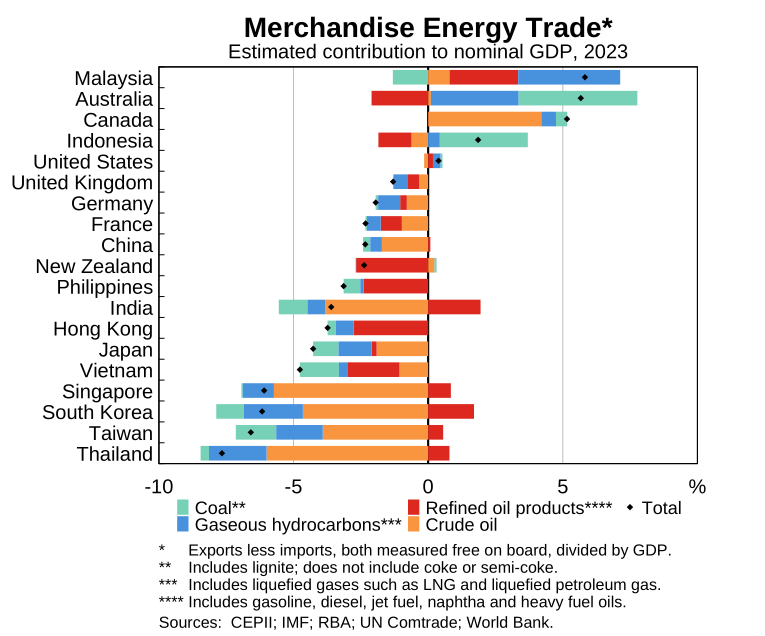
GDP growth in advanced economies in the December quarter was broadly in line with expectations at the time of the February Statement. US GDP growth slowed due to the US federal government shutdown, but underlying growth was stronger than had been expected, supported by robust growth in AI-related investment. More recently, survey measures of consumer and business sentiment have declined across advanced economies since the Middle East conflict began, with higher energy prices expected to weigh on real incomes. However, net energy exporters, including the United States and Canada (Graph 2.6), are benefiting from higher prices that will improve their terms of trade and increase their national income, all else equal. By contrast, most other advanced economies, like the euro area and the United Kingdom, are net energy importers, so higher energy prices will worsen their terms of trade and reduce national incomes. This has been reflected in larger downgrades to the growth outlook for these economies (see Chapter 3: Outlook).
Trade policy uncertainty remains somewhat elevated as the US administration works to introduce new tariffs, after the US Supreme Court ruled in mid-February that many existing US tariffs were unlawful. As an interim measure, the administration has introduced a global tariff of 10 per cent, making use of alternative legislation, which applies for a maximum of 150 days. This lowers the average tariff rate for exports from China to the United States. These tariff developments are unlikely to have a material impact on the Australian economy.
Growth in east Asia in late 2025 was stronger than expected at the time of the February Statement, but a prolonged disruption to global energy supplies poses a material downside risk to the region.
Net exports contributed significantly to stronger-than-expected east Asian GDP growth in the December quarter, driven by robust growth in global demand for AI-enabling products such as semiconductors. Timely trade and industrial production data suggest that the momentum in exports and manufacturing continued into the March quarter, and Consensus forecasters expect strong growth in high income east Asian economies such as Taiwan and South Korea to continue over 2026 (see Chapter 3: Outlook). However, higher energy costs pose a larger downside risk to activity in energy-intensive manufacturing industries, which make up a larger share of GDP in east Asian MTPs than in other economies (Graph 2.7). And like many advanced economies, many Asian MTPs are net importers of energy commodities and other raw materials, so higher energy prices will reduce real national incomes.
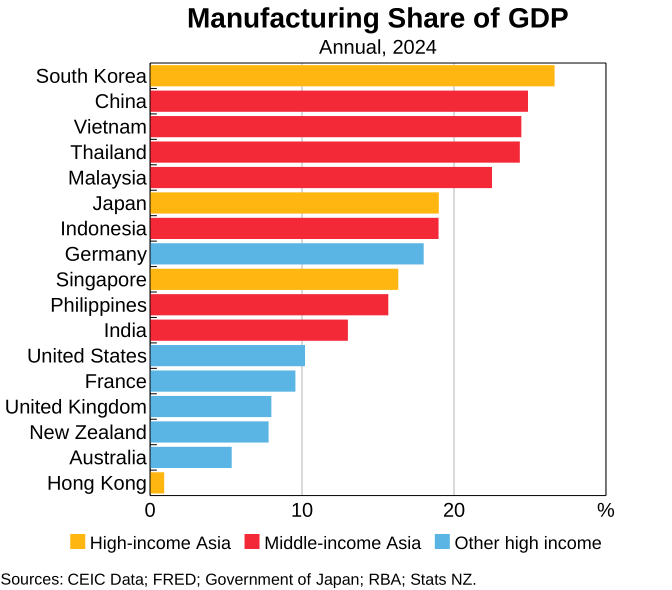
Some Asian MTPs will be able to mitigate near-term impacts of the conflict by drawing on strategic reserves, but a prolonged closure of the Strait of Hormuz is a material downside risk for the region. Several high income east Asian countries have substantial strategic reserves of oil and other commodities affected by the Middle East conflict, such as helium. Economies with sufficient refining capacity, such as South Korea and China, have also introduced export restrictions to prioritise domestic fuel supplies. These countries have greater capacity to smooth their fuel consumption and production activities in response to a temporary disruption to global energy production. However, if inventories are exhausted, countries will have to pay considerably higher prices for energy imports or reduce their consumption of those commodities. This is already occurring in some parts of middle-income east Asia. In these economies, purchasing power is lower and the share of energy in household consumption larger, implying larger negative impacts on households’ real incomes. To conserve limited energy supplies, some governments in the region – including in Indonesia, Malaysia and the Philippines – have introduced some activity restrictions and strongly encouraged reducing non-essential energy usage.
The Chinese economy may be less vulnerable to the Middle East conflict than some other MTPs. Investment in China rebounded in the March quarter.
A combination of factors means that China has been relatively insulated from the Middle East conflict so far. China’s energy mix has a low dependence on oil and LNG, it has large strategic reserves of oil and petroleum products, and authorities have used regulatory instruments to limit retail fuel price increases.
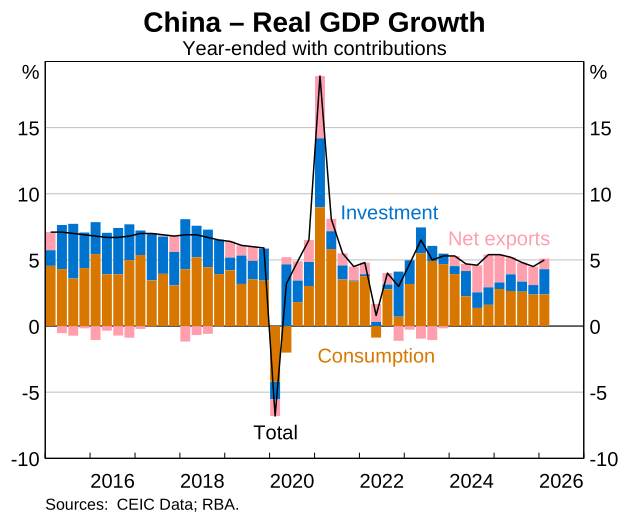
The Chinese economy grew by 1.3 per cent in the March quarter, driven by stronger-than-expected growth in investment (Graph 2.8). The national accounts measure of investment rebounded, with monthly indicators suggesting this was broadly based across sectors. Notwithstanding a sharp increase in real estate investment in the quarter, growth in housing sales and prices have remained weak. The structural imbalance between strong domestic supply and soft domestic demand has persisted, underpinned by continued weakness in household consumption growth in the March quarter. Policy priorities for 2026 announced by authorities in the early March annual Government Work Report are broadly supportive of investment, while policy measures in the report to support household consumption appear to be modest.
Exports continued to rise strongly in China while imports grew even faster. The recent strength in exports likely reflects the substantial reduction in average US tariff rates in February and continued demand for technology-related exports fuelled by the global AI boom, which has also supported Chinese imports. These factors have aided the resilience of Chinese exports to negative impacts of the Middle East conflict. However, external demand – particularly from east Asia – could weaken if the conflict persists.
Iron ore prices have risen by 3 per cent since the February Statement. Prices have been supported by demand from China, weather-related supply disruptions in Australia, and concerns that diesel shortages stemming from the Middle East conflict could limit supply from smaller Australian producers. Nevertheless, iron ore spot prices continue to trade in their narrow range of the past two years.
2.2 Australian economic conditions prior to the Middle East conflict
Prior to the conflict, domestic capacity pressures appeared to have been evolving broadly as anticipated in the February Statement. GDP growth in the December quarter picked up strongly, as expected, to be above our estimates of its potential growth rate. Business investment was stronger than anticipated, in part reflecting spending on data centres. But household consumption growth was weaker than expected, and more timely data suggest there was a little less underlying momentum in consumer spending at the start of this year than previously assessed. Recent labour market outcomes have been broadly in line with the February forecasts. Conditions are judged to remain tighter than full employment. Underlying inflation remains elevated, reflecting ongoing strength across several components. While trimmed mean inflation in the March quarter was slightly lower than expected, recent data have not materially altered our view of underlying domestic inflationary pressures prevailing prior to the conflict.
Year-ended GDP growth picked up in the December quarter to be above our estimates of potential growth.
GDP increased by 0.8 per cent in the December quarter to be 2.6 per cent higher over the year (Graph 2.9). This was broadly in line with our expectations and above our estimates of potential growth, adding to existing capacity pressures. A number of factors supported growth over 2025, including strong growth in household income and wealth, easing financial conditions domestically and internationally, resilient global growth and strong business investment related to data centres and the green energy transition. The monetary policy easing during the earlier part of 2025 is expected to have had only a modest effect on GDP growth in 2025, given typical lags in transmission, although there is inherent uncertainty around this assessment.
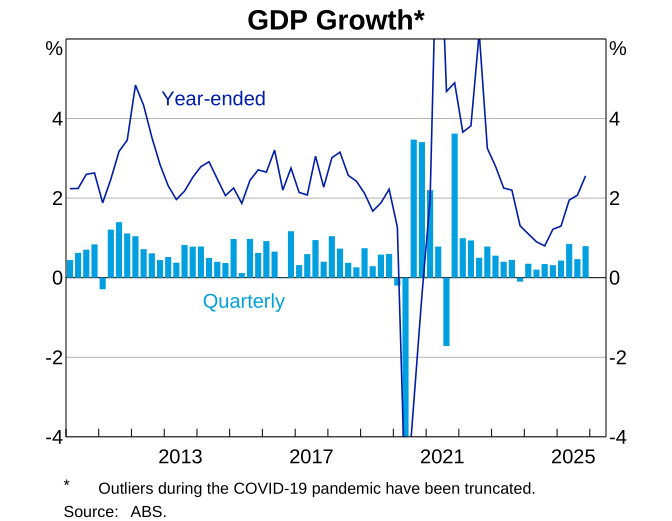
Public demand growth was strong in the December quarter, increasing by 0.9 per cent (broadly in line with expectations). Public consumption and investment grew by 0.9 per cent and 1.0 per cent respectively in the quarter. Over the year to the December quarter, public demand grew by 2.4 per cent, with growth having eased compared with the more rapid rates seen in 2023 and 2024. Growth in public consumption over recent years has been driven by increased government operating expenses and spending on social benefits provided in-kind to households (including under the NDIS and Medicare), while public investment has grown alongside public infrastructure spending at the state level. The consolidated underlying cash balance from federal, state and territory budgets provides a more comprehensive indication than public demand of how developments in fiscal policy may be affecting aggregate demand. The mid-year updates from government budgets released late last year suggested the consolidated government deficit would widen further in financial year 2025/26.
Year-ended household consumption growth picked up over 2025, but by much less than expected in the February Statement. The pick-up in year-ended consumption growth over 2025, to 2.4 per cent, was supported by strong growth in real household disposable income and wealth (Graph 2.10). But household consumption growth was only 0.3 per cent in the December quarter and was weaker than expected across most spending categories. That suggests there was less underlying momentum at the end of last year than previously anticipated. We also judge that there was less promotion-induced bring-forward of spending in the December quarter than previously expected. Some idiosyncratic factors also weighed on consumption growth (e.g. relating to cigarette, tobacco and electricity consumption).
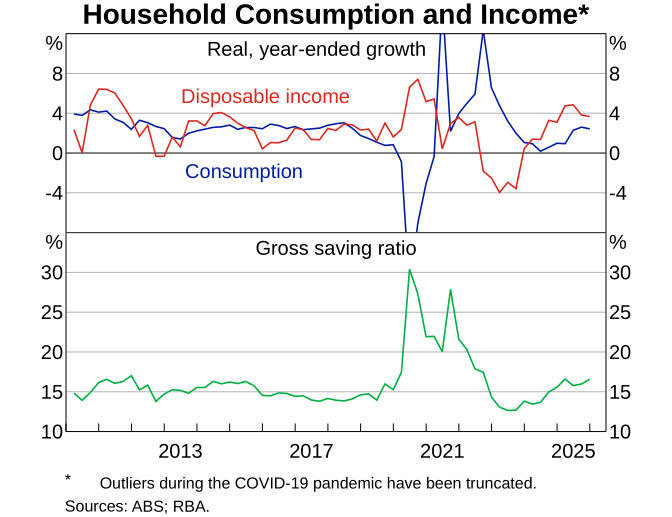
Household consumption is expected to have grown solidly in the March quarter, although this partly reflects a boost from the unwinding of electricity subsidies. The level of consumption is forecast to be lower than expected in the February Statement, given the weaker-than-expected December quarter outcome. The nominal ABS household spending indicator (ABS HSI) grew only modestly in January and February and year-ended growth declined a little. That could indicate relatively soft consumption growth in the March quarter. However, the mapping from the ABS HSI to the national accounts measure of consumption is imprecise, and the HSI was stronger than the equivalent components in the national accounts measure in the December quarter. Spending data from commercial banks are consistent with a fairly wide range of possible outcomes for March quarter consumption. Retail liaison contacts generally reported solid trading conditions in the first two months of this year (though within this there has been some unevenness across sales periods, geography and product categories). Taking these indicators together, we expect modest growth in underlying consumption in the March quarter. The unwinding of the electricity subsidies is expected to boost measured household consumption noticeably, contributing around 0.3 percentage points to quarterly growth.
Private investment increased strongly over 2025, and by more than expected in the February Statement. Dwelling investment growth was strong over the year, which likely reflects a range of factors including the lagged effects of earlier strong population growth and monetary policy easing, and an easing in construction sector capacity constraints at the start of 2025. This strong growth contributed to the return of capacity pressures in the construction sector and higher new dwellings inflation in the second half of last year. Business investment also picked up further in the December quarter. While this was driven most prominently by continued data centre building activity and energy projects, investment was stronger than expected across almost all categories.
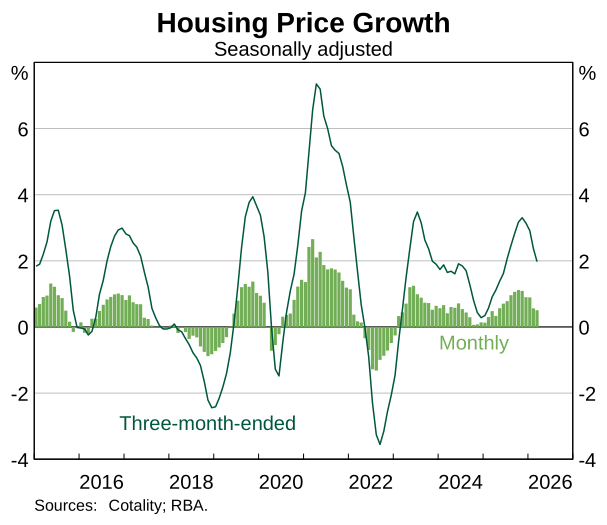
Housing price growth has eased in recent months, and by a little more than expected, after growing strongly over 2025 (Graph 2.11). Auction clearance rates have also fallen since the start of the year in Sydney and Melbourne to be below their long-run averages. The easing in conditions likely reflects softer demand due to the recent cash rate increases, expectations for a higher future path for interest rates and moderating market sentiment. The change in sentiment could also be related to the conflict in the Middle East. Dwelling prices in the more expensive segments of the market (which tend to be more interest rate sensitive) have declined in recent months, concentrated in Sydney and Melbourne. Prices in the lower and middle tiers of the market have been relatively more resilient, noting that demand may have been supported by the Australian Government 5% Deposit Scheme.
Labour market conditions have evolved broadly as expected in the February forecasts.
The unemployment rate was unchanged at 4.3 per cent in the month of March and in quarterly terms was 4.2 per cent, only marginally below our February forecast (Graph 2.12). The underemployment rate remained unchanged at 5.9 per cent in the March quarter. In trend terms, it has been broadly stable over the past year and remains low by historical standards. The hours-based underutilisation rate – a broader measure of spare capacity – and the medium-term unemployment rate have also largely been unchanged since the start of 2025.
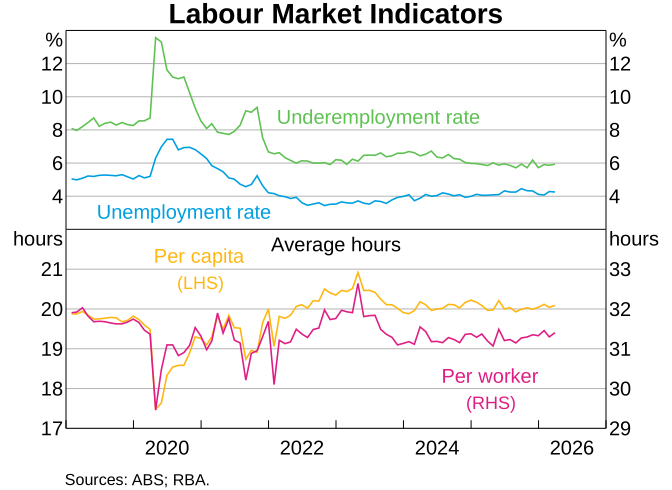
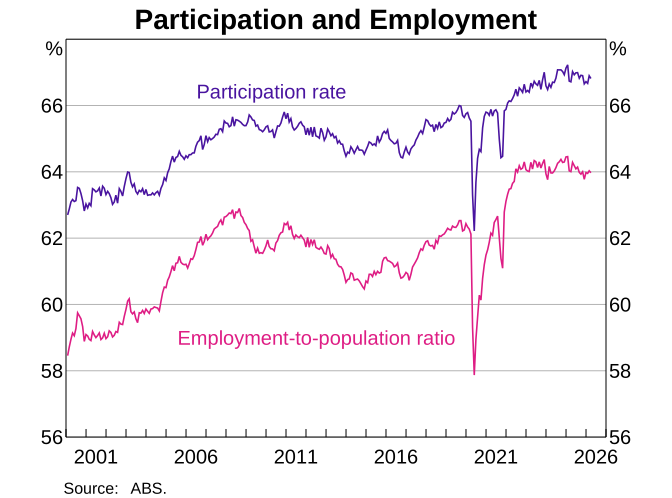
The employment-to-population ratio increased to 64.0 per cent in the March quarter, supported by strong employment growth (Graph 2.13). The strength in employment growth occurred alongside modest increases in average hours worked per employed person and hours worked per capita. Industry-level data indicate that the market sector was the main driver of employment growth in late 2025. Likewise, the increase in vacancies in the three months to February was mostly driven by the market sector. The participation rate was unchanged at 66.8 per cent in the March quarter.
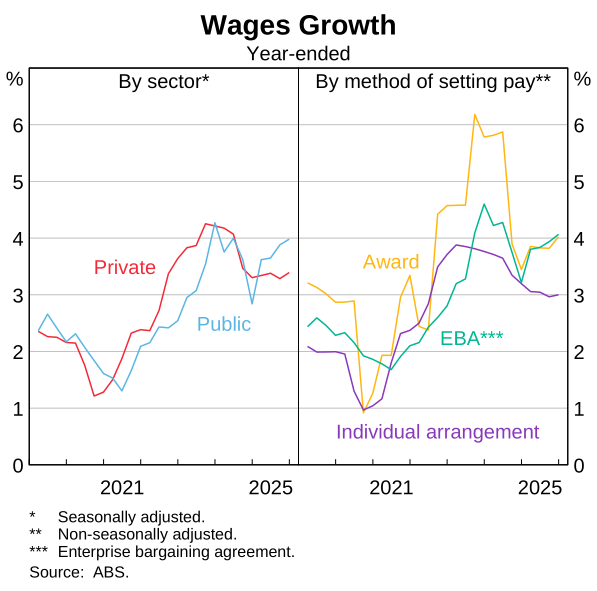
Aggregate wages increased by 3.4 per cent over 2025, as expected in the February Statement. Private sector wages growth was a little stronger than expected.
Private sector wage price index (WPI) growth remained steady at 0.8 per cent in the December quarter and was 3.4 per cent in year-ended terms, which was above expectations (Graph 2.14). Recent data, including historical revisions, now suggest that the underlying rate of quarterly private sector wages growth – that is, after accounting for one-off administered increases – remained broadly steady over 2025, rather than easing a little as looked to be the case in February. Wages growth for workers on individual agreements – which tend to be the most responsive to current labour market conditions – remained steady at 3.0 per cent over the year, slightly higher than anticipated. Public sector WPI growth declined to 0.8 per cent in the December quarter but increased to 4.0 per cent in year-ended terms.
Growth in the national accounts’ measure of average earnings (AENA) eased to 4.1 per cent in the December quarter, below expectations in the February Statement. As such, WPI and national accounts data since the February Statement have provided mixed signals for growth in labour costs. Nonetheless, AENA growth remained above its long-run average in year-ended terms and exceeded WPI growth by an amount that is greater than its pre-pandemic average.
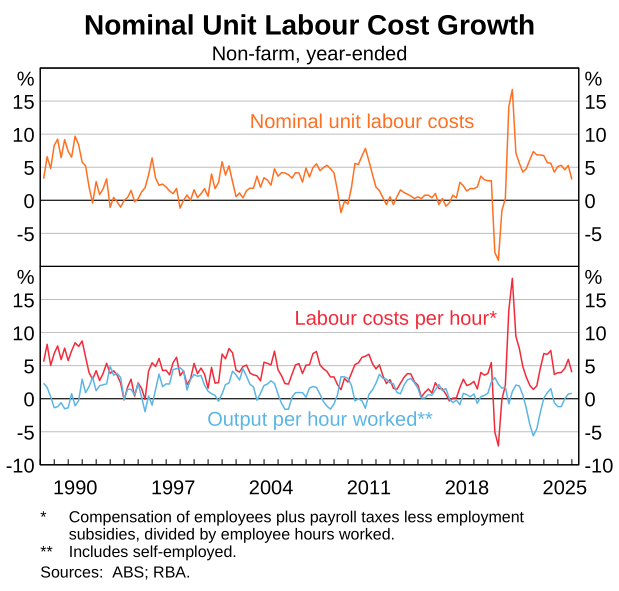
Unit labour costs growth moderated over the year to the December quarter 2025, driven by the easing in AENA growth.
Unit labour costs growth declined from 5.3 per cent to 3.1 per cent in year-ended terms in the December quarter, a larger decline than expected (Graph 2.15). The greater-than-expected easing was primarily due to slower AENA growth than forecast. The elevated rate of growth in unit labour costs over much of 2025 reflected both weakness in productivity and cyclically high growth in AENA. Labour productivity increased by 0.2 per cent in the December quarter and 0.8 per cent in year-ended terms, broadly as expected in the February Statement.
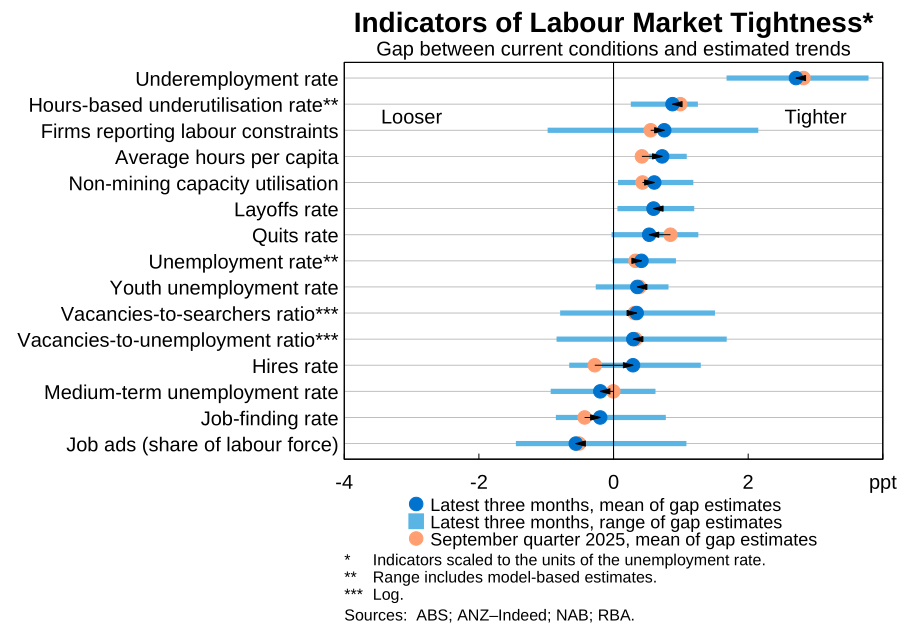
Labour market conditions are still judged to be somewhat tight, similar to our assessment in February.
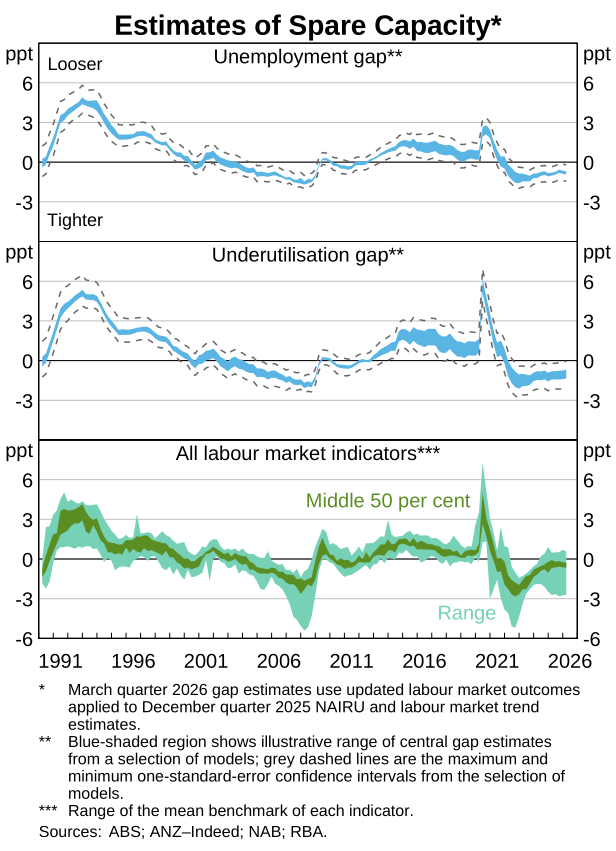
Most of the labour market indicators we monitor remain tighter than their estimated trend levels (Graph 2.16).1 The underemployment rate and hours-based underutilisation rate both point to tightness in the labour market. Average hours per capita, the share of firms reporting labour constraints and non-mining capacity utilisation suggest some tightening in conditions over the past six months, while most other indicators have remained little changed. Only a couple of indicators are below their estimated trends, namely job ads (as a share of the labour force) and the job-finding rate of the unemployed.
Model-based estimates of the non-accelerating inflation rate of unemployment (NAIRU) continue to indicate a tighter labour market than suggested by most other indicators. The models interpret inflation and labour cost outcomes over 2025 as pointing to ongoing tightness in labour market conditions, with all models in the suite suggesting that conditions are tighter than full employment. These estimates suggest that the labour market has seen only limited easing in recent years (upper and middle panels in Graph 2.17). The central tendency of our broad suite of labour market indicators (the dark green range in the lower panel below), which has guided our overall assessment of labour market conditions, suggests somewhat less tightness than model estimates.
Economy-wide capacity pressures remain elevated and look to have increased over the second half of 2025, broadly as expected in the February Statement.
Model-based estimates indicate that the output gap remained positive in the December quarter of 2025, before the increases in the cash rate target. The level of GDP in the December quarter remained above model estimates of the level of potential output, suggesting that aggregate demand continued to exceed the economy’s sustainable supply capacity (Graph 2.18). While individual model estimates vary and are subject to uncertainty, all internal RBA models point to a positive output gap. This partly reflects recent inflation and unemployment outcomes, which suggest ongoing tightness in the labour market and broader capacity pressures.
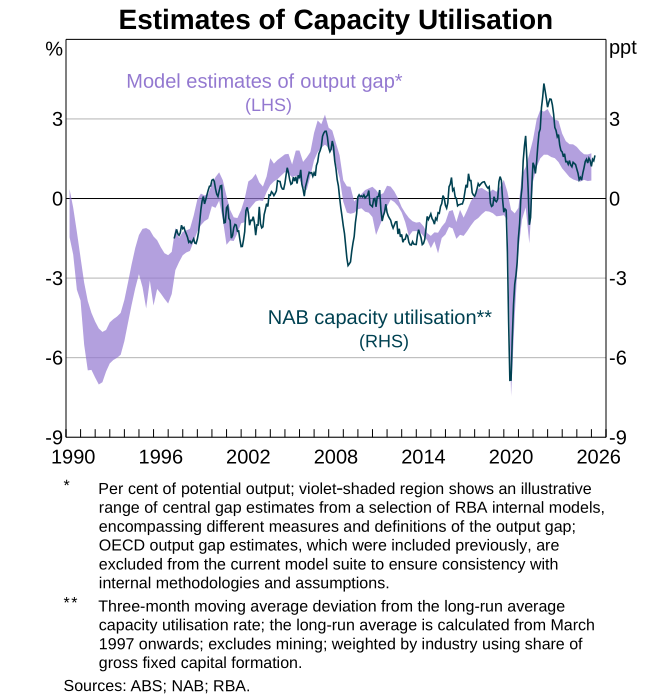
More timely survey-based indicators of broader capacity utilisation, which partly post-date the monetary tightening, remain consistent with this assessment. The NAB measure of capacity utilisation increased in the second half of 2025 and remained elevated in the March quarter 2026.
Underlying inflation remained elevated in the March quarter, though was slightly lower than expected in the February Statement.
The prices of most consumer goods and services in the March quarter had not yet been materially affected by the onset of the Middle East conflict, with the exception of fuel prices. Broader pass-through of fuel costs is expected from the June quarter onwards (see section 2.3 below and Chapter 3: Outlook). Headline inflation increased to 4.1 per cent over the year to the March quarter, from 3.6 per cent in the December quarter. The elevated rate of headline inflation reflected the increase in fuel prices – which contributed 0.2 percentage points to year-ended inflation in the quarter – and the roll-off of electricity rebates, as well as ongoing strength in underlying inflation. Headline inflation rose to 4.6 per cent in the month of March in year-ended terms, with a 0.8 percentage point contribution from fuel prices.
Trimmed mean inflation remained elevated at 0.8 per cent in the March quarter and increased to 3.5 per cent in year-ended terms.2 Measures of underlying inflation from the monthly CPI show a similar pattern (Graph 2.19). The elevated rate of underlying inflation reflected ongoing strength across a broad range of components. Setting aside the direct effects of the increase in fuel prices faced by households – which caused quarterly trimmed mean inflation to be around 0.1 percentage points higher than otherwise, as fuel’s position within the quarterly distribution of price changes shifted relative to expectations in the February Statement – underlying inflation was slightly lower than expected in the February Statement.3
Some of the softness in trimmed mean inflation, relative to the February forecast, was driven by an unexpected decline in domestic travel prices, which are volatile. Prices growth for new dwelling construction eased by more than expected in the March quarter, as did groceries inflation (excluding fruit and vegetables), which eased to its lowest rate (in year-ended terms) since late 2024. Consumer durables inflation, which was surprisingly strong in late 2025, eased in the March quarter, broadly in line with expectations. However, growth in market services prices was stronger than expected in the February Statement.
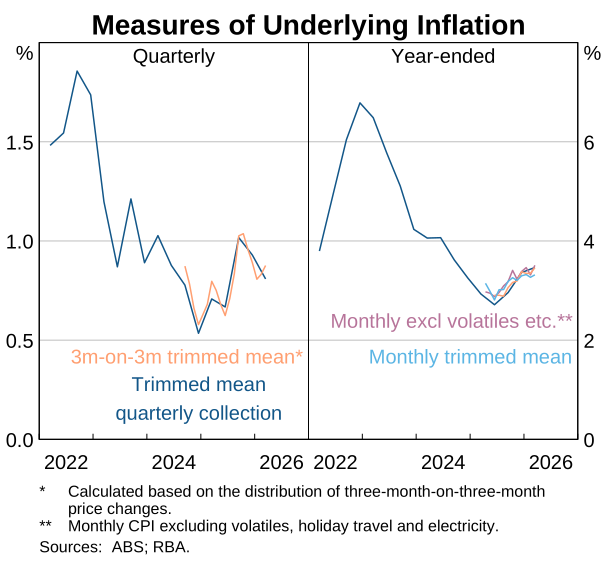
Taken together with elevated growth in output prices, the high outcome for underlying inflation in the March quarter is consistent with there being ongoing domestic capacity pressures. Overall, recent data do not materially alter our assessment of underlying inflationary pressures prior to the onset of the conflict, as set out in the February Statement.
New dwelling construction prices increased by 1.0 per cent in the March quarter and were 3.9 per cent higher in year-ended terms (Graph 2.20). New dwelling inflation was weaker than expected in the February forecasts, coinciding with the slowing in established housing price growth and in housing market activity. Information from liaison indicates that demand for building new houses may have stabilised somewhat in recent months following the recent cash rate increases.
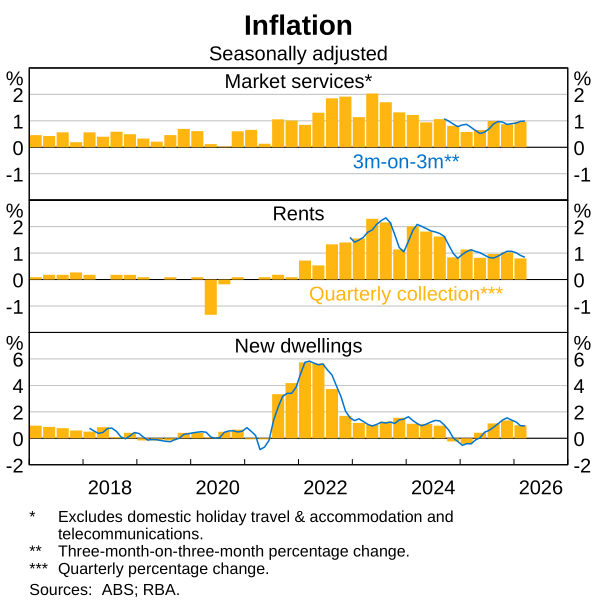
CPI rent inflation eased to 0.8 per cent in the March quarter, below expectations in the February Statement, and was 3.7 per cent in year-ended terms. Advertised rental growth and rental vacancy rates continue to point to tightness, which may gradually flow through to the stock of CPI rents as leases are updated.
Market services inflation (excluding telecommunications and domestic travel) increased to 1.0 per cent in the March quarter, above expectations in the February Statement. In year-ended terms, inflation increased to 3.5 per cent. The prices of these services are typically among the most sensitive to domestic labour costs, and stronger inflation for market services since mid-2025 is consistent with strength in broader measures of labour costs over the past year.
Inflation for goods and services with administered prices (excluding utilities) eased to 4.3 per cent in year-ended terms. Utilities prices inflation increased to 19.9 per cent in year-ended terms, reflecting a sharp increase in electricity prices as rebates expired. The expiration of rebates will continue to affect year-ended headline inflation until the March quarter 2027.
Consumer durables inflation eased to 0.3 per cent in the March quarter, broadly in line with expectations in the February Statement. Groceries inflation, excluding fruit and vegetables, also slowed in the March quarter.
Prior to the onset of the Middle East conflict, survey measures of households’ short-term inflation expectations had continued to increase in line with recent stronger inflation outcomes. Financial market measures of short-term expectations derived from inflation swaps had also increased further. Measures of long-term inflation expectations remained broadly stable.
2.3 Early indicators of the effect of the Middle East conflict on the Australian economy
The conflict has caused the global price of oil and some oil-related products to rise sharply. These price rises have begun to flow through directly to inflation via increases in fuel prices, lifting the year-ended rate of headline inflation by 0.8 percentage points in the month of March. Since then, policy changes such as the temporary halving of the fuel excise have partially mitigated the increase in fuel costs faced by households and by some businesses. The pass-through by firms of fuel cost increases to other consumer goods and services is expected to take place from the June quarter onwards.
The increase in fuel prices has contributed to a large deterioration in consumer and business sentiment. Household spending at petrol stations has increased sharply in the past two months (although has now declined from its peak in the earlier weeks of the conflict); compared with many goods, demand for petrol tends to be relatively insensitive to prices. However, there is little evidence of a material pullback in other types of spending so far, with the usual noise in weekly card spending data and other timely indicators meaning it is difficult to identify more modest shifts in spending patterns. Timely indicators also suggest that the conflict has had little effect on labour demand so far, though some recent reports from liaison suggest a weakening in hiring intentions.
Domestic prices for fuel have risen substantially in response to higher international oil and refined fuel prices, while policy changes have provided a partial offset.
Rising international prices for crude oil and refined fuels have led to substantial rises in domestic fuel prices since the start of the conflict. Wholesale prices for petrol and diesel are up around 19 per cent and 48 per cent respectively since the end of February. Retail prices for petrol and diesel have declined from their peak in late March; retail petrol prices are now 2 per cent above their pre-conflict levels, while diesel prices are 51 per cent higher (Graph 2.21). Policy changes have contributed to the decline in retail prices since March, partially mitigating the increase in fuel costs faced by households and by some businesses. The changes include a temporary halving of the fuel excise, a reduction in the heavy vehicle road user charge to zero, and the forgoing of higher GST revenue (via a further reduction in fuel excise).
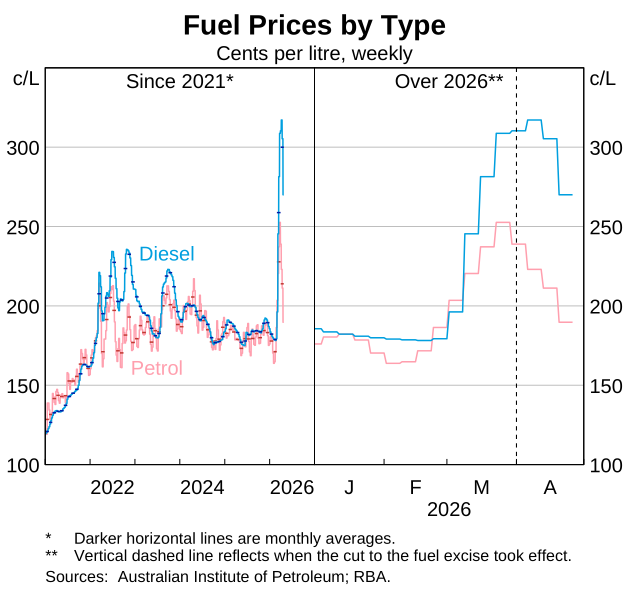
The Middle East conflict has already contributed to higher inflation directly through fuel costs and indirectly through prices in travel and transport-related sectors.
Higher fuel costs contributed directly to inflation in the March quarter. CPI fuel prices increased by around 32 per cent in March, contributing materially to headline inflation, lifting the year-ended headline inflation rate by around 0.8 percentage points in the month of March and 0.2 percentage points in the March quarter. Higher fuel prices had a smaller effect on underlying inflation (see section 2.2 above).
Higher fuel prices will also contribute indirectly to inflationary pressures as firms pass on some of their higher costs to final prices, but this will generally take place from the June quarter onwards. For example, increased prices for domestic and international flights owing to the substantial increase in the price of jet fuel – which is around 92 per cent higher since the start of the conflict – are expected to flow through into the CPI data from the June quarter.
Liaison contacts have expressed concern regarding increases in input costs and potential availability issues for critical inputs such as diesel and oil-derived products. The most immediate and widespread impact reported by firms is higher fuel surcharges imposed by upstream firms (e.g. in the transportation sector), which have been incurred by firms across a broad set of industries including agriculture, construction, retail and hospitality (see Box A: Insights from Liaison). The cost of oil-derived products (e.g. fertiliser, plastics and other petrochemicals) has also escalated over recent weeks. Some fuel stockouts occurred in the first few weeks of the conflict – particularly in regional areas – driven by a sharp and largely temporary increase in demand. More recently, availability concerns have eased as fuel demand has stabilised.
Many consumer-facing firms in our liaison program have not yet passed through the higher costs to their base prices. However, an increasing share of firms in our liaison program now expect above-average increases in prices for the year ahead. Some firms have expressed uncertainty regarding the timing and extent of pass-through to consumer prices as they are yet to observe the full impact of higher input costs, which in part depends on the duration of the conflict. Some firms are still negotiating their contracts with suppliers, and others expect costs to be passed through over the course of the year, depending on how long the conflict persists. Nevertheless, firms’ pass-through would depend on factors such as the share of fuel and oil-related products in their total cost base, hedging practices and existing margin buffers. Many firms in liaison have also noted that they are anticipating the possibility that rising headline inflation may lead to increased wage demands from workers (see further discussion of how inflation may feed into wages growth in Chapter 3: Outlook).
In recent months, and particularly since the onset of the Middle East conflict, survey measures of households’ short-term inflation expectations and financial market measures of short-term inflation expectations have increased sharply (see Chapter 1: Financial Conditions). These increases in inflation expectations are broadly consistent with the changing outlook for inflation described in our forecasts (see Chapter 3: Outlook). Meanwhile, financial market measures of long-term expectations have been more stable, consistent with our assessment that they remain anchored at the target, given market expectations for the future path of interest rates (see Chapter 1: Financial Conditions).
Consumer and business sentiment declined notably in March and April, but timely indicators do not suggest a sharp slowing in real household consumption.
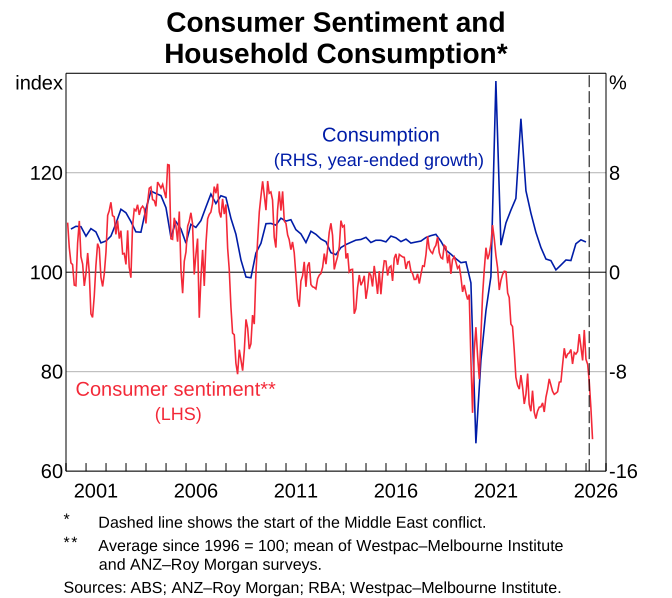
The Middle East conflict has prompted a sharp decline in consumer sentiment, which had also fallen somewhat in the lead up to and following the Monetary Policy Board’s decision to raise interest rates in February. The weekly measure has recovered in the past four weeks but remains notably lower than prior to the conflict. The overall decline to date has been relatively broad-based with the largest falls relating to near-term economic conditions, evaluations of personal finances, and buying conditions for major household items. Higher inflation is likely to be weighing on consumer sentiment, although the recent fall in sentiment has been larger than can be explained by economic ‘fundamentals’ like inflation, inflation expectations, the cash rate or unemployment (based on the past relationship between these fundamentals and sentiment).
Past RBA work has found limited evidence that consumer sentiment is an independent driver of household consumption. While consumer sentiment and consumption have generally shared similar broad trends over time, that reflects their common drivers and there can be significant short-run divergences. That said, given the scale of the observed decline and because sentiment is very low by historic standards, the deterioration in sentiment could have a greater bearing on household spending decisions than would normally be expected (Graph 2.22).
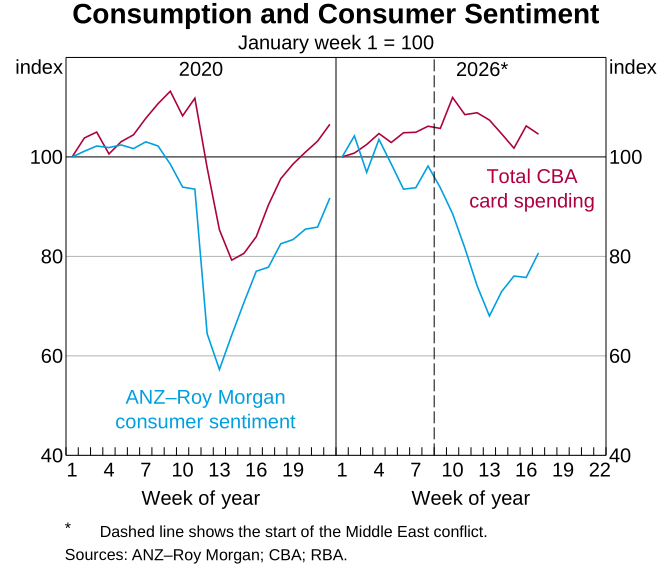
There is little evidence that consumers have noticeably reduced non-petrol spending to date (Graph 2.23). Timely card spending data released by major banks shows that nominal spending (excluding petrol stations) has not materially declined – noting that these weekly data are inherently volatile. However, modest changes in growth are difficult to detect and the movements in non-petrol spending since the start of the conflict vary by data source.
Household spending on petrol has risen sharply in the past two months, largely due to higher prices. Card spending data show that nominal spending at petrol stations increased sharply in the past two months (although it has declined from its peak earlier in the conflict), broadly in line with movements in fuel prices. This is consistent with the volume of petrol purchases being less sensitive to prices than many other goods, at least in the short run, because for many people alternative options may be limited. The number of transactions at petrol station transactions also increased, likely reflecting a combination of precautionary purchases and smaller purchase size, though has similarly declined over recent weeks suggesting an unwind in this behaviour.
Households were, in aggregate, in a strong financial position at the start of the conflict following the recovery in real incomes and strong growth in wealth in recent years. The household saving ratio has risen above pre-pandemic averages recently and many borrowers have sizeable buffers in mortgage offset and redraw accounts (see Chapter 1: Financial Conditions). This strong financial position means that households are, in aggregate, well placed to smooth their consumption when faced with a reduction in their real incomes, if they view much of the recent increases in fuel prices as temporary. Given increases in fuel prices since the start of the conflict, additional fuel costs are estimated to have been less than 1 per cent of total household income over that period, although it will have been more than that for some households.
While there has not been a noticeable change in aggregate spending patterns, there do appear to have been shifts in the composition of spending. There has been reduced spending in more discretionary areas – with card spending lower in categories such as travel. However, this has been offset by strength in other areas. For example, electric vehicle purchases have been elevated in recent months, according to information from the Electric Vehicle Council. There is also some evidence of increased usage of public transport, possibly reflecting some substitution away from driving as it has become more expensive and the introduction of free public transport in some states.
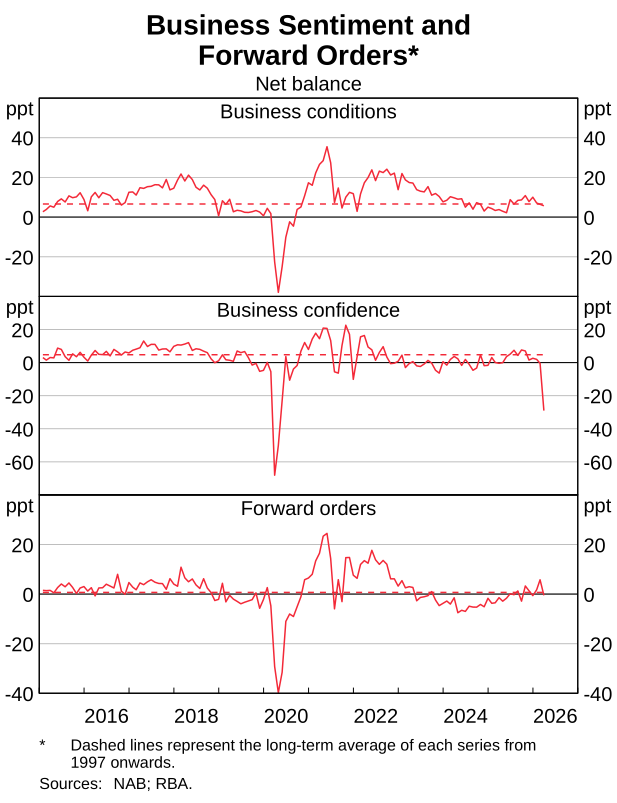
Business confidence also fell sharply in March, reflecting elevated uncertainty about the demand outlook and rising input costs associated with the Middle East conflict (Graph 2.24). The decline in confidence was broadly based across industries and was largest in transport and utilities, and retail. The sharp decline in confidence suggests a deterioration in more forward-looking business sentiment, even as business conditions (which reflect current activity) have remained relatively stable and forward orders have remained around their long-run average. Lower business confidence is typically only weakly correlated with business investment and is unlikely to affect business investment in the short term, with many firms in the RBA’s liaison program noting they are going ahead with current investment plans. However, if uncertainty and weak business sentiment were to persist for some time, it is more likely that investment plans would be affected.
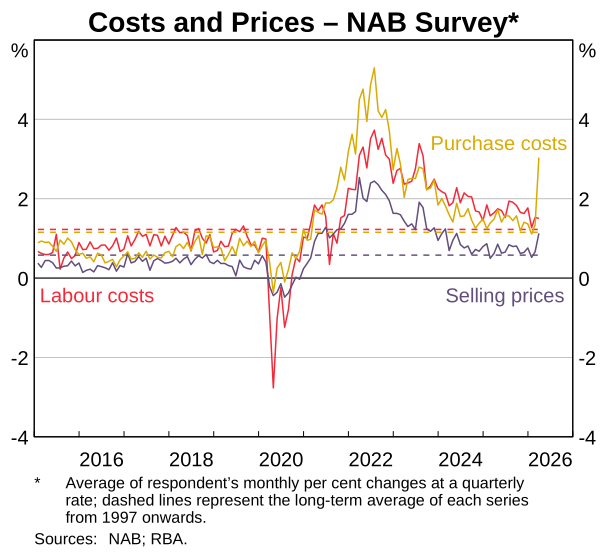
Surveyed firms reported a sharp increase in input costs in March, amid much higher raw material and fuel costs. This has occurred alongside an increase in selling prices (albeit by less, suggesting firms are not yet fully passing on higher costs to customers; Graph 2.25). Similar themes have also been reflected in discussions with businesses through the RBA’s liaison program (see Box A: Insights from Liaison). Survey measures of capacity utilisation have edged up slightly since the onset of the conflict, suggesting that firms have not scaled back utilisation in response to higher costs.
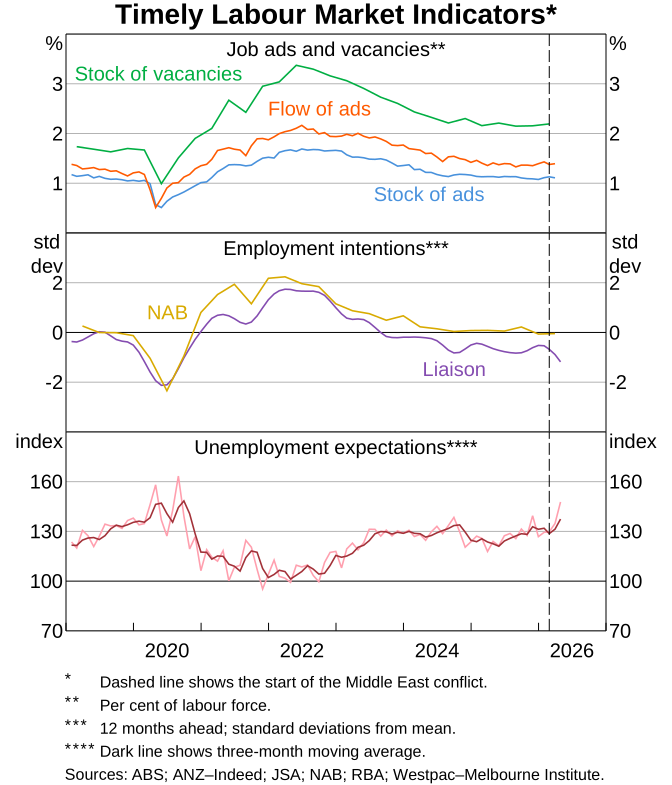
Timely indicators suggest that the conflict has had little effect on labour demand so far. Leading indicators were broadly unchanged over March relative to their pre-conflict levels (Graph 2.26). Job advertisements for occupations that may be more exposed to fuel, such as logistics and transport, were also little changed in March. Some indicators, however, may point towards a possible weakening of labour demand. Unemployment expectations spiked in April and employment intentions from the RBA’s liaison program have also decreased, particularly in recent weeks, with a smaller share of firms expecting to increase their workforce over the year ahead. In liaison, some firms have indicated they are considering how their hiring plans could change if the effects of the conflict are prolonged.
Endnotes
1 The ABS is implementing some changes to the Labour Force Survey, to be phased in from the April 2026 reference month (see Box B: Changes to the Labour Force Survey).
2 The RBA will continue to focus on measures of underlying inflation from the quarterly CPI (based on the pre-October 2025 collection frequency) for a period. See RBA (2025), ‘Box C: The Transition to a Complete Monthly CPI’, Statement on Monetary Policy, November; RBA (2025), ‘The Transition to a Complete Monthly CPI’, Technical Note, November.
3 In the February Statement, which was prior to the onset of the Middle East conflict, fuel was expected to be in the ‘lower tail’ of the distribution of price changes (i.e. the bottom 15 per cent of the distribution) in the March quarter. Owing to the conflict, fuel was in the ‘upper tail’ of the distribution of price changes (i.e. the top 15 per cent of the distribution) in the March quarter. When an item’s inflation rate moves from the lower tail to the upper tail, it causes higher item-level inflation rates to be included in the trimmed distribution over which the mean is calculated, such that trimmed mean inflation will be higher than otherwise. See RBA (2025), ‘Explainer: Inflation and its Measurement’ for more information about the trimmed mean as a measure of underlying inflation.